Special Event Wardrobe Checklist: Dress Codes to Packing
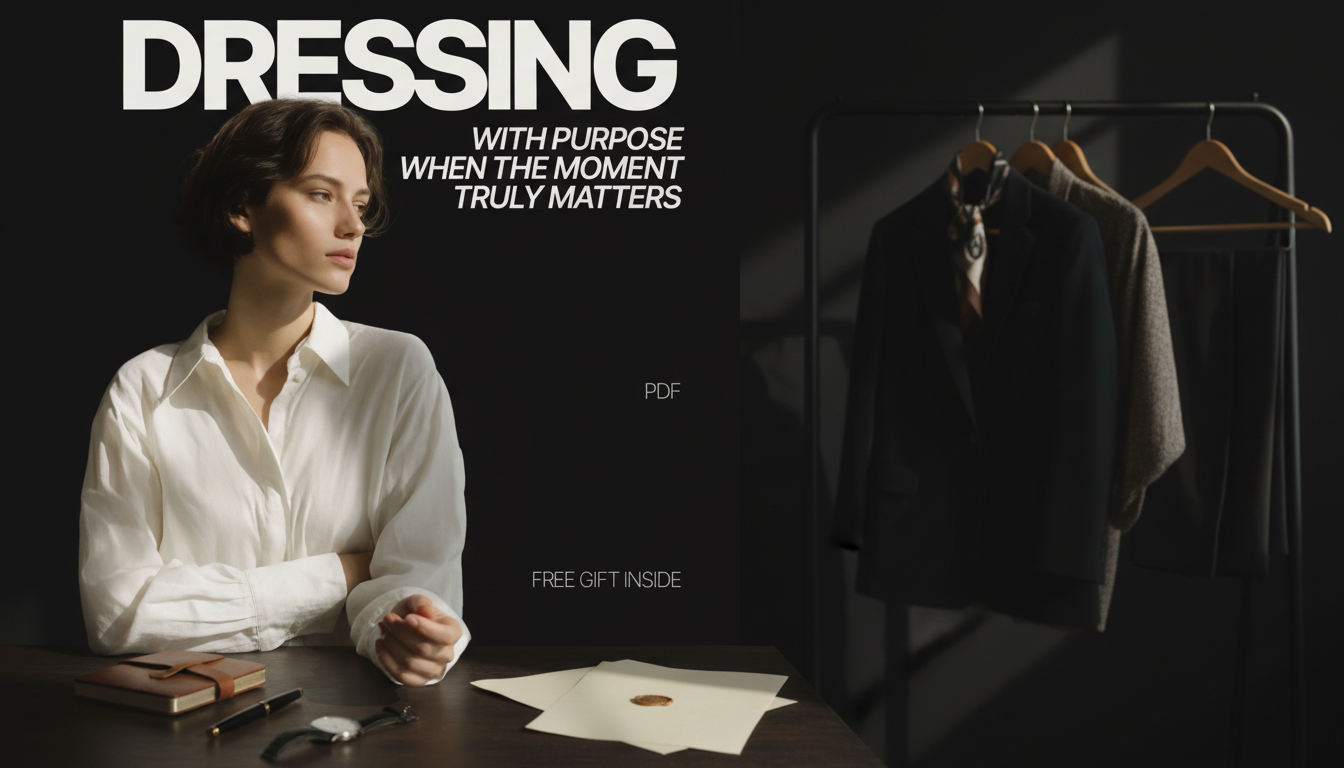
Dressing With Purpose When the Moment Truly Matters: Building a Special Event Wardrobe List
Special events move fast, photos last forever, and comfort matters as much as style. A purpose-built wardrobe list keeps outfits aligned with the occasion, dress code, venue, and personal priorities—without last-minute shopping panic. The goal isn’t a closet full of “maybe.” It’s a small, reliable system that helps you show up calm, prepared, and unmistakably appropriate for the moment.
Start With the Moment: Occasion, Role, and Dress Code
Before choosing color or accessories, lock in the non-negotiable context: what the event is, how visible your role will be, and what the dress code truly implies. A wedding guest outfit and an awards-night speaker outfit can both be “formal,” but the practical needs (stage lighting, walking distance, time outside) can be completely different.
- Define the event type (wedding, gala, milestone dinner, awards night, memorial, interview) and the expected level of formality.
- Clarify the role: guest, honoree, speaker, wedding party, host, plus-one—each comes with different visibility and practical needs.
- Translate dress codes into silhouettes and materials (e.g., black tie, cocktail, festive, garden formal, business formal).
- Confirm constraints: cultural expectations, venue rules, religious spaces, security restrictions, weather exposure, or required footwear.
Dress Code Translation Guide
| Dress code | Reliable outfit base | Footwear direction | Notes to confirm |
|---|---|---|---|
| Black tie | Floor-length gown or tuxedo | Formal heels or polished dress shoes | Jacket requirement; acceptable hemline; outerwear for arrivals |
| Cocktail | Knee-to-midi dress or suit | Heels, dressy flats, loafers, dress boots | Day vs evening; venue flooring; coat check |
| Garden formal | Dressy midi dress or light suit | Block heels, wedges, dressy flats | Grass-friendly shoes; layers for sunset |
| Festive | Elevated separates or statement dress | Dress shoes with color/texture | Color theme; photography considerations |
| Business formal | Structured suit or sheath dress | Closed-toe heels, oxfords, loafers | Industry expectations; minimal accessories |
If you’re dressing for a wedding, it also helps to cross-check etiquette basics—especially around formality and venue expectations. The Emily Post Institute’s guidance is a dependable reference: Emily Post Institute — Wedding Attire and Dress Codes.
Define the Non-Negotiables: Comfort, Confidence, and Function
A special event wardrobe list works best when it reflects how you actually move through a night. Set “comfort thresholds” as if you’re designing a uniform for your real life—not an aspirational version of it.
- Set comfort thresholds: heel height, strap tolerance, breathable fabrics, and temperature range across the full event timeline.
- Identify movement needs: dancing, standing during ceremonies, walking across campuses, stairs, or outdoor terrain.
- Plan for long-wear details: anti-chafe options, supportive undergarments, secure closures, and pockets (or a small bag plan).
- Choose a confidence anchor: a silhouette that consistently photographs well and feels like “you.”
That “confidence anchor” can be as specific as a neck line you love or as simple as “structured shoulders + defined waist.” Once you know it, your shopping (and packing) gets dramatically easier.
Build a Capsule Wardrobe List for Special Events
A capsule approach keeps decision fatigue low and repeat wear high. The best part: you’re not building one outfit—you’re building options that still feel cohesive and intentional.
- Create a small set of core pieces that mix across multiple formalities (a signature dress, a tailored suit, a versatile blazer).
- Add a statement layer: wrap, tailored coat, cropped jacket, or shawl that works with at least two outfits.
- Include two footwear paths: primary (dressier) and backup (more walkable) that still looks intentional.
- Keep accessories modular: one refined set (minimal jewelry) and one expressive set (color, sparkle, or texture).
- Plan undergarments as part of the outfit, not an afterthought: strapless solutions, smoothing layers, and hosiery options.
Special Event Wardrobe List (Essentials + Smart Extras)
| Category | What to include | Why it earns a spot |
|---|---|---|
| Primary outfit | One go-to dress or suit | Reliable fit and easy styling under time pressure |
| Secondary outfit | A cocktail-ready alternative or elevated separates | Backup for weather, spills, or dress-code shifts |
| Layer | Wrap, blazer, or dressy coat | Temperature control and polished arrivals |
| Shoes (primary) | Event-appropriate dress shoes | Completes formality; photographs well |
| Shoes (backup) | Dressy flats/low heels/loafers | Comfort insurance without looking casual |
| Bag | Small structured bag or sleek tote | Carries essentials; keeps hands free |
| Jewelry | One minimal set + one statement piece | Versatility across multiple looks |
| Grooming | Touch-up kit (blotting, lipstick, hairpins) | Photo-ready confidence throughout the night |
| Weather | Umbrella, tights, scarf, hand warmers (as needed) | Prevents discomfort from derailing the experience |
Color, Fabric, and Photo Readiness
If you want inspiration grounded in the broader fashion landscape (not micro-trends), the CFDA and the Met’s Costume Institute are useful references for proportion, material storytelling, and timeless formalwear cues.
Fit and Tailoring: The Fastest Upgrade
Packing and Event-Day Checklist
Helpful Picks That Support the Plan
- Dressing With Purpose When the Moment Truly Matters: How to Build a Special Event Wardrobe List — a streamlined guide for outfit logic, checklists, and a repeatable wardrobe structure.
- Lightweight Waterproof Down Tote Bag — a practical option for travel days, unpredictable weather, and packing backup shoes without feeling bulky.
FAQ
How far in advance should an event outfit be finalized?
Aim to lock in the outfit, shoes, and undergarments 1–2 weeks ahead. If you’ll need tailoring or you’re traveling, build in 2–4 weeks so hem and fit adjustments aren’t rushed.
What’s the simplest way to follow a dress code without feeling overdressed?
Match the formality level with silhouette and fabric first, then keep accessories restrained. Choose one statement element—like a bold earring or a luxe fabric—instead of stacking multiple attention-grabbers.
What should always be in a special event emergency kit?
Fashion tape, safety pins, a stain remover pen, blotting sheets, mini deodorant, pain relief, bandages, and a small sewing kit cover most real-world surprises without overpacking.









Leave a comment