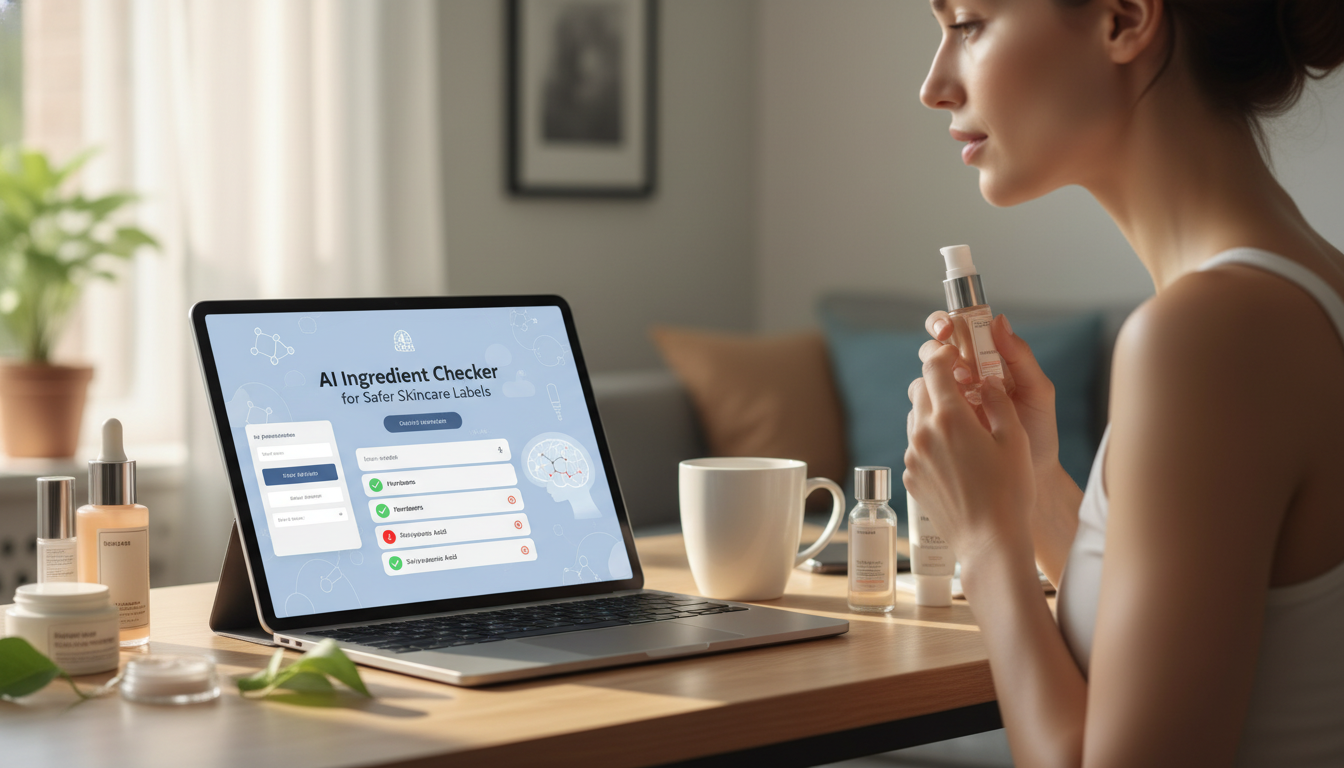
AI Ingredient Checker for Safer Skincare Labels
Avoiding Harmful Ingredients with AI: A Smarter Way to Check Beauty & Skincare Products
Ingredient lists can be long, technical, and easy to misread—especially when marketing claims distract from what’s actually inside a product. AI-powered ingredient checks can help flag common irritants, allergens, and controversial additives faster, while still leaving final decisions to personal needs and professional guidance. This guide explains what AI can realistically do, what it can’t, and how to use an AI-based approach to build a calmer, more predictable routine.
Why ingredient safety feels confusing (and why it matters)
Skincare labels are written in INCI (International Nomenclature of Cosmetic Ingredients), and the “official” name isn’t always the one people recognize. Similar-sounding names can represent very different functions—preservatives, fragrance components, solvents, and surfactants can look equally intimidating in a long list.
Even more confusing: one ingredient can be totally fine for many people and still be a problem for sensitive skin, eczema-prone skin, rosacea, acne, or fragrance allergy. A reaction isn’t always about an ingredient being “bad” in general—it’s often about skin condition, exposure level, and how many other products are being layered.
Labels like “clean,” “natural,” and “dermatologist-tested” aren’t universal safety guarantees. Definitions vary by brand and region, and “tested” doesn’t automatically mean “safe for everyone.” Reactions can also come from cumulative exposure (using multiple fragranced products daily), mixing strong actives too frequently, or changing routines too fast. A systematic way to scan and track ingredients reduces guesswork and supports consistent patch testing.
What an AI ingredient check can do well
AI is especially useful for speeding up the “translation” step. Instead of squinting at a label and trying to remember what each item does, an AI check can turn the list into plain language: what it is, why it’s there, and what it’s commonly paired with.
- Translate INCI ingredient lists into plain English (what it is, what it does, where it’s commonly found).
- Flag categories that often trigger sensitivity: fragrance blends, certain preservatives, strong surfactants, essential oils, and high-level alcohols.
- Spot “same ingredient, different name” patterns (synonyms, related derivatives, and common cross-references).
- Help build a personal “avoid list” based on past reactions and then screen new products against it.
- Create a routine-level view: how many exfoliants, retinoids, fragrances, or potential irritants are being layered.
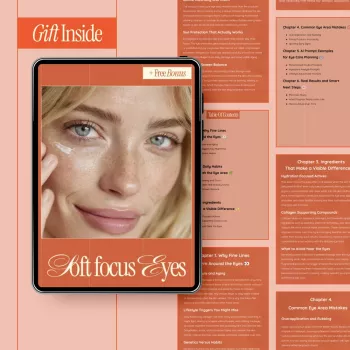
If you want a structured system for this, the Avoiding Harmful Ingredients with AI – Smart Beauty & Skincare Ebook focuses on turning ingredient scanning into repeatable steps (so each new purchase doesn’t feel like starting over).
Where AI can mislead (and how to avoid false alarms)
AI can summarize known concerns, but it can’t “see” the full formula the way a chemist or dermatologist can—especially when important context is missing.
- Concentration and formula context often aren’t known; irritation risk depends on dose, pH, delivery system, and supporting ingredients.
- Comedogenicity ratings are not universal and vary by individual skin and product type (leave-on vs rinse-off).
- Regulatory status differs across regions; an ingredient restricted in one market may be allowed in another under specific limits.
- Fragrance can be listed as “parfum/fragrance” without disclosing every component; AI can only assess what’s disclosed.
- The best approach is AI + common-sense checks: patch test, introduce one new product at a time, and consult a clinician for persistent issues.
For reliable baseline information on how cosmetics are regulated and reviewed, compare what you see in products against authoritative references like the U.S. Food & Drug Administration (FDA) cosmetics overview and the Cosmetic Ingredient Review (CIR) safety assessments.
Common ingredient categories people choose to screen—plus what to look for on labels
Quick screen: what AI can flag vs what still needs human judgment
| Category | Common label clues | What AI can reliably do | What still requires context |
|---|---|---|---|
| Fragrance | Fragrance/Parfum, essential oils | Identify presence and suggest fragrance-free alternatives | Allergy history and cumulative exposure |
| Preservatives | Phenoxyethanol, parabens, formaldehyde-releasers | Explain function and typical sensitivity notes | Actual concentration, product type, personal tolerance |
| Surfactants | Sulfates/strong detergents in cleansers | Highlight potentially drying systems | Skin condition, frequency of cleansing, water hardness |
| Alcohols | Alcohol denat., SD alcohol | Flag and summarize common irritation concerns | Whether formula is balanced with humectants/emollients |
| Active overload | Retinoids, acids, benzoyl peroxide | Detect overlaps across products in a routine | Scheduling, buffering, and clinical guidance |
A practical routine for using AI to avoid problematic ingredients
If you’re regularly changing products, a template-driven approach can make patterns obvious over time. The Smart Beauty & Skincare Ebook includes trackable steps for patch tests, reaction notes, and “avoid/tolerate” lists so you can screen new items consistently.
Using the ebook: a simple system for ingredient warnings and smarter purchases
Extra comfort habits that support a calmer routine
For a low-effort wind-down ritual that doesn’t add another leave-on product to your face, consider a space-focused option like the Sandalwood Backflow Incense Burner – Alpine Flowing Water Aromatherapy—especially if you’re trying to keep skincare minimal while still making evenings feel relaxing.
FAQ
Can AI accurately tell whether an ingredient is harmful?
AI can flag known concerns and summarize commonly cited evidence, but it can’t determine personal safety without concentration details, formula context, and your individual skin history. Use it to narrow down suspects, then patch test and seek professional guidance if reactions persist.
Is “fragrance-free” always better for sensitive skin?
Fragrance-free removes one common trigger category, but irritation can still come from actives, preservatives, or surfactants. Also note that “unscented” can still contain masking fragrance, so it’s worth checking the ingredient list.
What’s the easiest way to start screening products with AI?
Start with a simple trio—cleanser, moisturizer, and sunscreen—then scan each ingredient list and set a short avoid list based on past reactions. Introduce changes one product at a time and keep a brief patch-test log so the pattern is clear.










Leave a comment