Stainless Steel Veg Chopper & Food Processor Guide
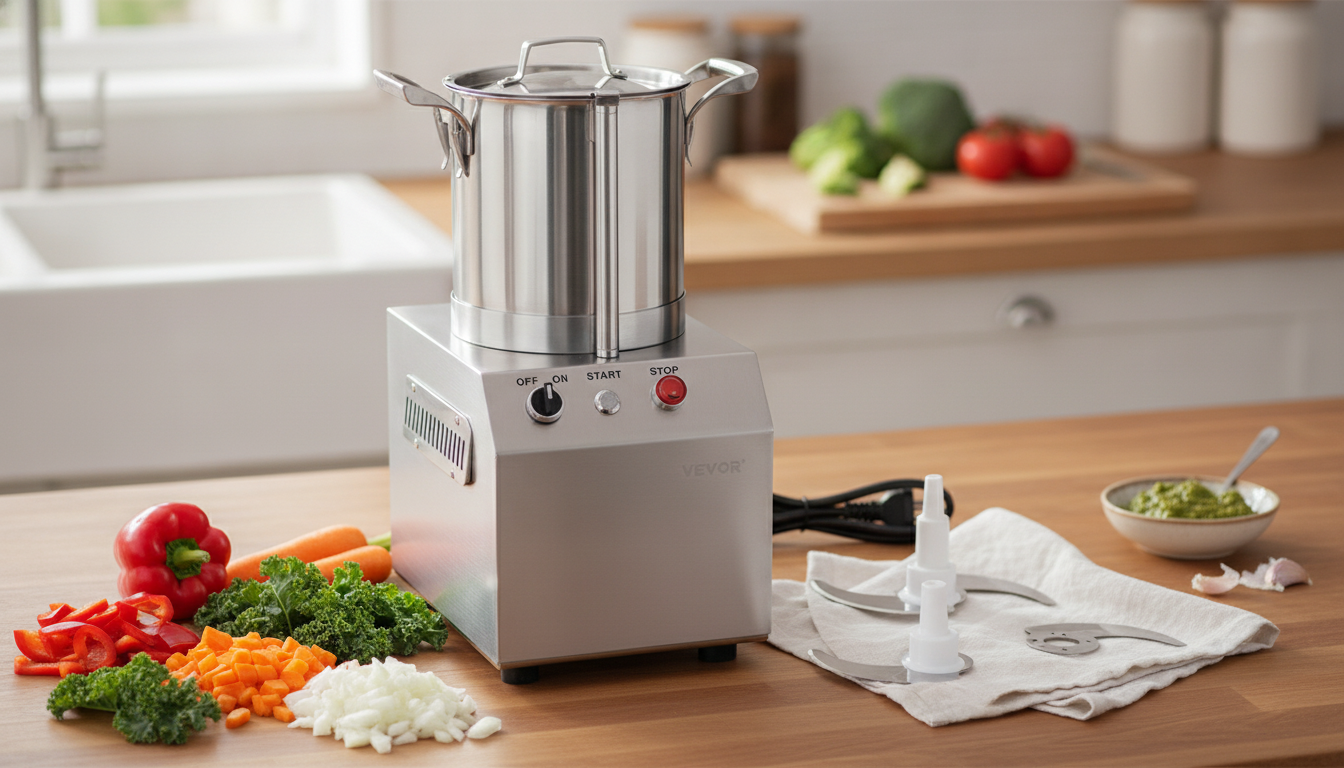
Stainless Steel Multifunctional Food Processor & Vegetable Chopper: Faster Prep, Cleaner Cuts
A stainless steel multifunctional food processor and vegetable chopper can streamline everyday cooking by handling repetitive knife work—chopping, slicing, dicing, and mincing—while keeping results consistent. With the right setup and a few technique tweaks, it’s easier to move from “pile of produce” to “ready to cook” without a sink full of tools or uneven pieces that cook at different speeds.
What It Does Well in a Busy Kitchen
When meals depend on vegetables—soups, stir-fries, salads, sheet-pan dinners—prep time can be the biggest bottleneck. A multifunction chopper earns its counter space by taking on the repetitive tasks that slow things down.
- Speeds up high-volume prep like onions, carrots, cucumbers, cabbage, potatoes, and herbs
- Helps produce uniform sizes for even cooking and better presentation
- Reduces hand fatigue compared with extended knife chopping sessions
- Supports batch prep for meal planning, parties, and family dinners
- Can simplify repetitive tasks: mince garlic, chop nuts (if supported), shred firm vegetables (if supported)
Stainless Steel Build: Practical Benefits
Not every “stainless steel” chopper is stainless everywhere (some models combine metal housings with plastic bowls). Still, stainless steel components tend to bring everyday advantages that hold up over time.
- Durability: Stainless steel resists dents and cracking better than many plastics in high-use areas.
- Hygiene: Non-porous metal surfaces are easier to clean thoroughly and resist absorbing odors.
- Stability: Metal housings often add weight, helping the unit stay put during use.
- Temperature tolerance: Stainless steel is typically more comfortable around warm ingredients and rinsing with hot water.
- Long-term appearance: Less staining and discoloration compared with clear plastic bowls (though bowls may still be plastic depending on design).
For additional guidance on keeping food-contact surfaces clean, the USDA’s recommendations on kitchen cleaning and sanitizing are a solid reference point.
Multifunction Features That Actually Matter
“Multifunction” can mean a lot of things. The most useful features are the ones that improve cut quality, reduce hassle, and make the tool safer to use day after day.
- Blade variety: Separate blades/discs for dicing, slicing thickness options, shredding, and julienne-style cuts.
- Capacity: A bowl size that matches typical batch size—small for quick salads, larger for meal prep.
- Non-slip base: Suction or grippy feet to reduce sliding on wet counters.
- Feed chute and pusher (if included): Supports safer slicing/shredding and keeps fingers away from blades.
- Disassembly: Fewer fiddly parts makes cleaning faster and reduces lost components.
- Storage: Integrated blade storage or a case reduces the risk of cuts and helps protect sharp edges.
If you’re curious about how materials are evaluated for food contact, the FDA’s overview of food contact substances provides helpful background.
Everyday Prep Tasks and Best Results
Good results come from pairing the right ingredient with the right cut—and avoiding the common mistake of pushing too much food through at once. A few small habits can noticeably improve texture and consistency.
- Onions: Chill briefly to reduce tearing; pulse instead of continuous chopping to avoid turning to paste.
- Potatoes: Rinse surface starch after dicing for crispier roasting or frying.
- Cabbage: Quarter first; remove the thick core for smoother shredding.
- Tomatoes and soft fruits: Use the sharpest slicing option; avoid over-pressing to prevent crushing.
- Herbs: Dry thoroughly before chopping to prevent clumping and smearing.
Common Ingredients and Ideal Processing Approach
| Ingredient | Best cut | Tip for clean results |
|---|---|---|
| Onion | Dice / chop | Cut into chunks first; use short pulses to keep pieces defined |
| Carrot | Slice / shred | Trim ends; choose thicker slices for roasting, finer for salads |
| Cucumber | Slice | Pat dry to reduce slipping and watery buildup |
| Potato | Dice / slice | Soak/rinse after cutting to reduce surface starch if desired |
| Cabbage | Shred | Remove core; feed in smaller wedges for even strands |
Safety and Handling
Sharp blades and fast prep go together, so basic handling rules matter—especially when switching attachments or cleaning tight areas.
Cleaning and Maintenance for Stainless Steel
For a healthier, more consistent routine around meal prep, Harvard’s nutrition guidance on healthy cooking can help with ingredient choices and prep habits.
When This Tool Is the Right Fit
Product Picks (In Stock)
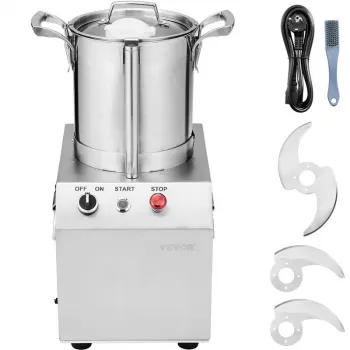
- Stainless Steel Multifunctional Food Processor & Vegetable Chopper ($384.51): a durable countertop tool designed to handle common chopping and slicing tasks while supporting faster meal prep. Best for everyday vegetable prep, batch chopping for soups and stir-fries, and consistent slicing for salads and gratins. Before purchasing, confirm the included attachments match the cuts you want (dice, slice thicknesses, shred) and that the capacity fits your typical batch size.
- Lightweight Waterproof Down Tote Bag ($87.17): a convenient grab-and-go tote for farmers’ market runs, potlucks, or carrying meal-prep containers when you’re cooking for others.
- Sandalwood Backflow Incense Burner – Alpine Flowing Water Aromatherapy ($28.51): a simple way to refresh your space after cooking aromatic foods like onions and garlic (used safely away from prep surfaces).
FAQ
Can a stainless steel vegetable chopper handle hard vegetables like carrots and potatoes?
Yes, if it’s designed for firm produce and you use the appropriate blade or disc. Trim vegetables into manageable pieces, avoid overloading the bowl, and work in batches to prevent jamming and uneven cuts.
How should blades be cleaned without dulling them?
Rinse promptly, then wash with mild soap using a soft brush or sponge instead of abrasive pads. Dry immediately and store blades with guards or in a dedicated container to protect edges and prevent accidental contact.
What causes vegetables to turn mushy instead of chopped?
Over-processing is the most common cause, especially with continuous chopping and crowded bowls. Use short pulses, keep batches smaller, and replace or sharpen dull blades that crush rather than slice.














Leave a comment