Porcelain Lotus Backflow Burner: Retro Ceramic Smoke Flow
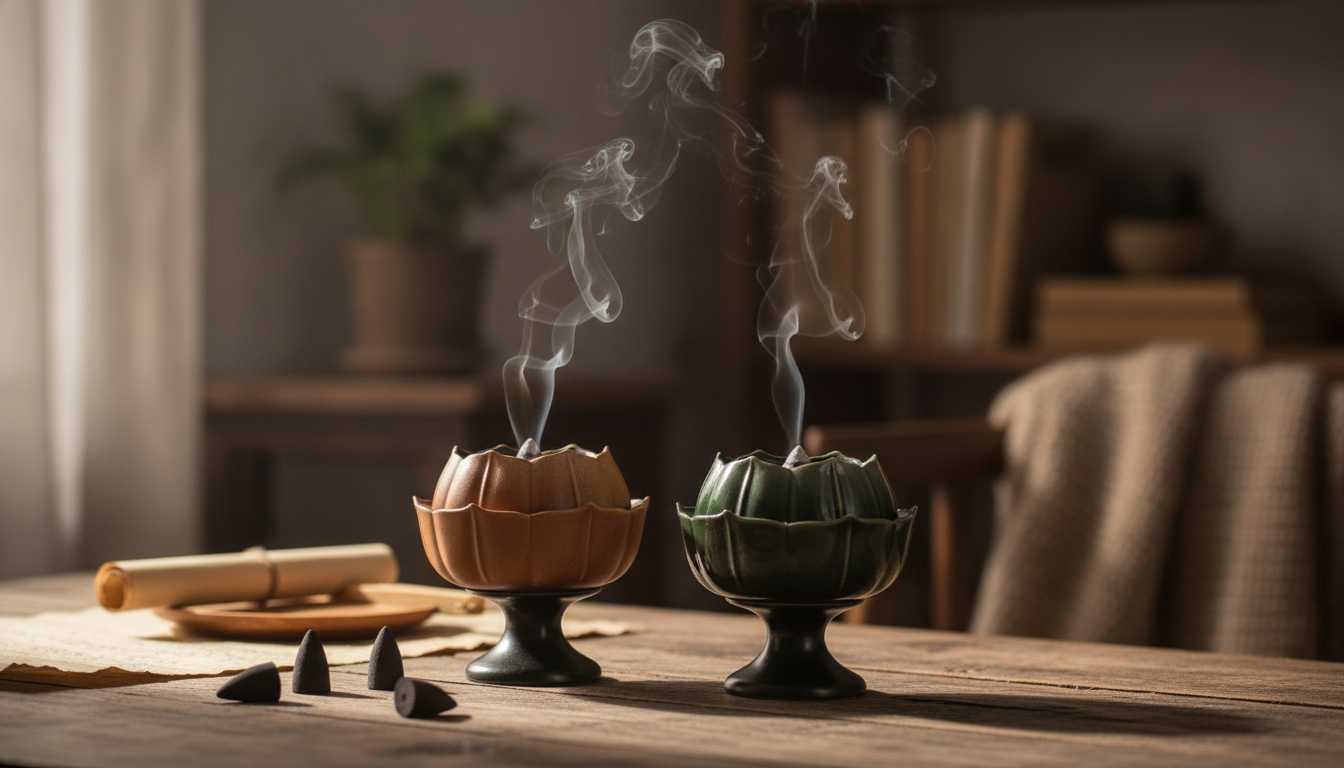
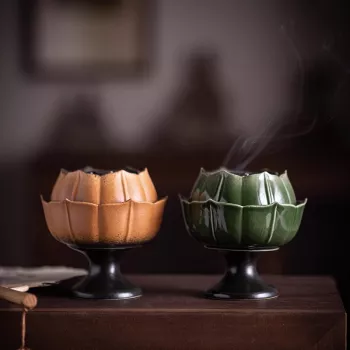
Porcelain Lotus Backflow Incense Burner – Retro Ceramic Aroma Holder
A porcelain lotus backflow incense burner creates a calm focal point while guiding fragrant smoke in a slow, waterfall-like cascade. With a retro ceramic finish and lotus-inspired form, it can function as both a decor accent and an easy ritual tool for meditation corners, tea tables, and bedside wind-down routines. The lotus silhouette looks refined on display even when it’s not in use—then comes alive once the smoke begins to pour downward into soft, layered pools.
What makes a lotus backflow burner different
Traditional incense smoke rises because warm air lifts it upward. Backflow burners flip that visual by using a hidden internal channel that guides smoke down through the ceramic structure. When everything is set correctly, the smoke behaves like a miniature waterfall—slow, dense, and surprisingly sculptural.
- Backflow burners are shaped with an internal channel so smoke travels downward instead of rising.
- The cascading effect requires special backflow incense cones (standard cones typically won’t create the waterfall look).
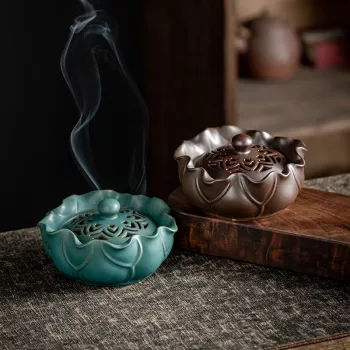
- Lotus designs are often chosen for a serene, balanced look that fits minimalist, vintage, and spa-like spaces.
- Porcelain and glazed ceramic surfaces are generally easy to wipe clean after use.
If you’re shopping for a classic lotus-style piece, see the Porcelain Lotus Backflow Incense Burner – Retro Ceramic Aroma Holder (in stock) for a clean, retro ceramic look that blends into many room styles.
Design details and where it fits best
Lotus backflow burners tend to work best when you treat them like a small decor object, not just a burner. The shape reads as intentional—almost like a tabletop sculpture—so it’s easy to integrate into everyday styling.
- Retro ceramic styling pairs well with wood, rattan, brass, and neutral textiles.
- Works well as a centerpiece on coffee tables, entry consoles, shelves, and meditation altars.
- A lotus form can complement Asian-inspired decor without overwhelming small rooms.
- For best visuals, place it against a darker background so the white/gray smoke is easier to see.
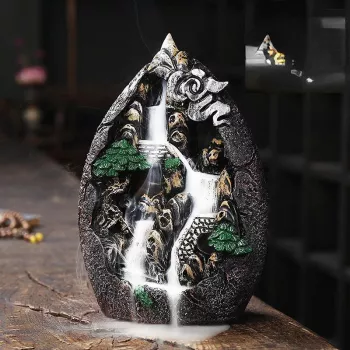
For a different vibe—more “landscape” and flow-focused—compare it with the Sandalwood Backflow Incense Burner – Alpine Flowing Water Aromatherapy (in stock). Rotating between styles can be as simple as placing one in your living room and one near a quiet reading spot.
How to use a backflow incense burner (clean, steady cascade)
Most backflow “issues” come down to airflow, cone type, or alignment. Once you get the setup right, the cascade becomes consistent and easy to repeat.
- Set the burner on a flat, heat-resistant surface away from drafts, fans, and open windows.
- Place a backflow cone on the top seat so the cone’s hole aligns with the burner’s opening.
- Light the cone tip, let it burn for a few seconds, then gently blow out the flame so it smolders.
- Wait 1–3 minutes for the cascade to start; thicker flow typically appears after the ceramic warms slightly.
- If the smoke rises instead of flowing down, check for airflow, cone alignment, or whether the cone is truly backflow.
Quick setup checklist for consistent backflow
| Step | What to do | Why it matters |
|---|---|---|
| Surface | Use a level, heat-safe plate or tray | Prevents tipping and protects furniture |
| Airflow | Avoid breezes and AC vents | Drafts break the waterfall effect |
| Cone type | Use backflow cones only | Creates the downward smoke stream |
| Alignment | Center cone hole over the burner port | Ensures smoke enters the channel |
| Patience | Wait a couple minutes after lighting | Flow improves as the burner warms |
Care, cleanup, and keeping porcelain looking new
Porcelain and glazed ceramic are relatively low-maintenance, but gentle cleaning goes a long way—especially if you want to keep the finish glossy and free of dull haze.
- Allow the burner to cool completely before handling or cleaning.
- Wipe soot and residue with a soft, slightly damp cloth; avoid abrasive pads that can dull glazing.
- For stubborn marks, use mild dish soap and rinse/wipe thoroughly; dry to prevent water spots.
- If residue builds inside channels, use a cotton swab to gently clean openings.
- Use a small tray beneath the burner to catch ash and keep surfaces tidy.
If you burn incense frequently, a quick wipe after every few uses helps prevent residue from hardening in the channel, which can interrupt the downward flow.
Comfort and safety tips for everyday burning
Incense is a small ritual, but it still involves heat and smoke. A few habits help keep the experience relaxing instead of fussy.
For broader guidance on indoor air considerations, review the U.S. EPA’s resources on Indoor Air Quality. For general home fire safety best practices, the NFPA home fire safety materials are a solid reference.
Gifting and styling ideas
When to choose a different style of backflow burner
FAQ
Do regular incense cones work with a backflow burner?
Usually no. Backflow burners are designed for backflow cones that have a hole through the base so smoke can feed into the internal channel; regular cones typically burn upward and won’t create the downward cascade.
Why is the smoke not flowing down like a waterfall?
The most common causes are drafts (fans, AC, open windows), a cone that isn’t truly backflow, or the cone hole not centered over the burner opening. Also wait 1–3 minutes after lighting—flow often improves as the ceramic warms—and clean any residue that may be blocking the channel.
How do you clean soot off a porcelain incense burner?
Let it cool fully, then wipe with a soft, slightly damp cloth. For stubborn residue, use a small amount of mild dish soap and rinse/wipe clean, and use a cotton swab to gently clean the channel openings while avoiding abrasive scrubbers that can dull the glaze.













Leave a comment