Nano Glass Foot Rasp: Smooth Calluses Safely at Home
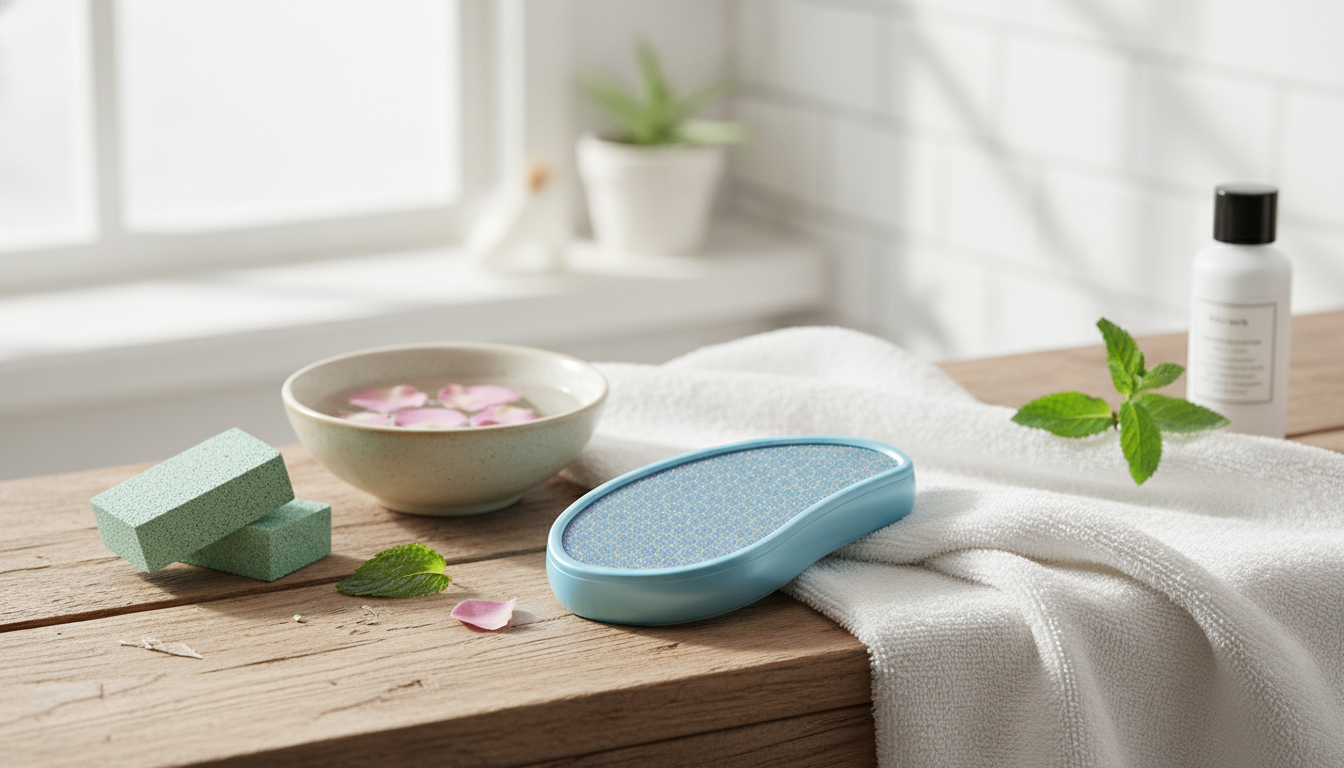
Nano Glass Foot Rasp Callus Remover for Smooth, Soft Feet at Home
Rough heels and thick calluses can make feet feel uncomfortable and look uneven, especially in warm-weather shoes. A nano glass foot rasp is a simple tool designed to lift away dead, hardened skin more gently than many metal files when used correctly. Below is a practical guide to what it does, how to use it safely, and how to keep results lasting longer between pedicures. For more guidance, see 9 Best Callus Removers to Keep Feet Soft & Smooth.
What a Nano Glass Foot Rasp Does
A nano glass foot rasp uses a finely etched glass surface to exfoliate thick, dry skin and smooth rough patches with more controlled buffing than “shaving” tools. Instead of trying to remove everything in one pass, it gradually reduces buildup so your heels and soles feel softer over time. For further reading, see Dr. Scholl’s Hard Skin Remover Nano Glass Foot File.
- Uses a fine etched-glass surface to exfoliate thick, dry skin and smooth rough patches.
- Targets common trouble spots such as heels, the ball of the foot, and edges where calluses build up.
- Designed for controlled, even buffing rather than aggressive shaving of skin.
- Works best as part of a routine with soaking (optional), gradual exfoliation, and moisturizing.
Who It’s For (and Who Should Skip It)
This type of callus remover is a solid choice when your goal is smoother, more comfortable feet without the “sharp” sensation of blade-style tools.
- Good fit for: dry heels, mild-to-moderate calluses, and flaky skin that needs regular smoothing.
- Helpful for: people who want a reusable tool and prefer a less “sharp” feel than blade-style removers.
- Skip or ask a clinician first if: there are open cuts, cracks that are bleeding, signs of infection, severe heel fissures, or reduced sensation in the feet (including some people with diabetes or neuropathy).
- Stop use and seek medical advice if redness, warmth, swelling, pain, or drainage appears.
For additional guidance on heel dryness and cracking, the American Academy of Dermatology Association and the Cleveland Clinic both offer practical overviews on prevention and when to get professional care.
How to Use for the Smoothest Result
Better results come from light pressure, a steady pace, and focusing only on thickened areas. If you over-file, skin can become tender and may even respond by thickening again.
- Start with clean feet; use on dry skin for more controlled exfoliation, or after a short soak if skin is extremely dry (pat thoroughly so the surface isn’t slippery).
- Hold the rasp flat against the skin and use light, steady strokes in one direction; avoid pressing hard.
- Focus on thickened areas only; do not file healthy, thin skin.
- Rinse or wipe away loosened skin as needed to see progress clearly.
- Finish with a rich moisturizer or foot cream; for very dry heels, consider a cream with urea or lactic acid (patch-test first).
- Use 1–3 times per week depending on buildup; over-filing can trigger more thickening and irritation.
Quick Routine Guide
| Step | What to Do | Time |
|---|---|---|
| Prep | Wash feet; optional short soak; dry well | 2–10 min |
| Exfoliate | Light strokes on callused areas only | 1–3 min per foot |
| Clean | Rinse feet and the rasp; remove residue | 1–2 min |
| Moisturize | Apply foot cream; socks overnight for extra softness | 1–2 min |
Tips for Better Results Without Irritation
Callus care is mostly about consistency. Think “little and often,” not “as much as possible.”
- Less pressure works better: let the textured surface do the work to avoid raw spots.
- Treat thick calluses gradually over multiple sessions rather than trying to remove everything at once.
- Moisturize daily to prevent rough skin from returning quickly; focus on heels and sides of the foot.
- Wear breathable socks and well-fitting shoes to reduce friction and new callus formation.
- If calluses keep returning in the same spot, check footwear pressure points and consider cushioned insoles.
If you tend to develop calluses in identical areas (for example, the outer edge of the heel or under the big toe), friction is usually part of the story. Rotating shoes, using blister-prevention patches on hot spots, and keeping skin hydrated can make a noticeable difference between sessions.
Cleaning, Storage, and Longevity
Because a nano glass rasp relies on an etched texture, keeping it clean helps it perform consistently and keeps your routine more hygienic.
When Calluses Need More Than Home Care
Product Options for an At-Home Foot Care Routine
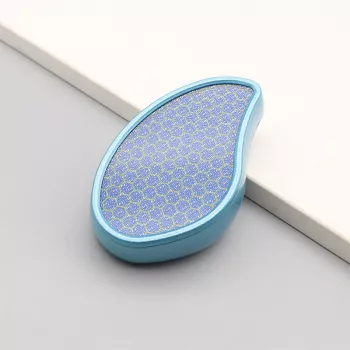
- Nano Glass Foot Rasp Callus Remover – Exfoliating Pedicure Foot Grinder for Soft Feet (compact, reusable tool for controlled buffing on rough heels and callused areas)
- Lightweight Waterproof Down Tote Bag (easy to pack for gym showers, travel, or keeping socks and foot cream together on the go)
- Sandalwood Backflow Incense Burner – Alpine Flowing Water Aromatherapy (a relaxing add-on for an at-home spa night while you soak and moisturize)
FAQ
Is it better to use a glass foot rasp on wet or dry feet?
Many people get the most control on clean, dry skin. If your heels are extremely dry, a short soak can help, but dry your feet well before filing so the tool doesn’t slip; use light pressure either way.
How often should a callus remover be used?
For most routines, 1–3 times per week is enough, depending on how quickly calluses build up. Daily aggressive filing can irritate skin, so keep exfoliation gentle and rely on daily moisturizing for maintenance.
Can calluses be removed completely?
Some callus is protective, so the goal is usually comfort and smoothness rather than removing every trace. Reducing friction from shoes and keeping skin hydrated helps calluses return more slowly and stay thinner.













Leave a comment