Men’s Wardrobe Essentials: A Practical Capsule Guide
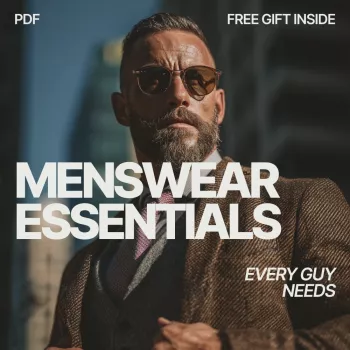
A strong wardrobe isn’t about having more clothes—it’s about owning the right clothes. When your essentials fit well, share a consistent color story, and work across different settings, getting dressed becomes quick and dependable. Below is a practical, mix-and-match guide to menswear essentials—what to buy, how to choose it, and how to build a wardrobe that looks intentional for work, weekends, nights out, and travel.
Start With a Simple Wardrobe Framework
Before buying anything new, lock in the foundations that make every outfit look better.
- Prioritize fit first: shoulder width, sleeve length, and trouser rise matter more than brand names.
- Choose a tight color palette: navy, gray, white, black, olive, and tan multiply outfit combinations.
- Aim for versatility: each piece should work in at least three settings (work, casual, smart-casual).
- Buy fewer, better items: upgrade gradually as wear shows up in collars, knees, and soles.
If you want a step-by-step checklist and outfit formulas to speed up decisions, consider Menswear Essentials Every Guy Needs: A Complete Guide to Building Your Perfect Wardrobe.
The Core Tops That Carry Most Outfits
Most men’s outfits are built from the top down. These basics handle the bulk of real-life dressing and layer cleanly with jackets and outerwear.
- T-shirts: crewneck in white, black, and heather gray; midweight cotton adds structure; skip overly long hems.
- Oxford cloth button-down (OCBD): white or light blue; works under sweaters, with chinos, or with jeans.
- Casual button-up: chambray or flannel for layering; keep patterns subtle for maximum reuse.
- Sweater: merino crewneck in navy or charcoal; light enough to layer, polished enough for dinner.
- Polo (optional): a clean, minimal polo can replace a tee in heat without reading “dressy.”
Core Tops: What to Buy and Why It Works
| Item | Best Colors | Fabric/Build Notes | Works Best For |
|---|---|---|---|
| Crewneck T-shirt | White, black, gray | Midweight cotton; minimal logo | Everyday casual, layering |
| OCBD | White, light blue | Oxford cotton; collar that rolls softly | Smart-casual, office casual |
| Merino crew sweater | Navy, charcoal | Fine-gauge merino; not too tight | Layering, dinners, travel |
| Casual button-up | Chambray, muted checks | Durable weave; comfortable fit | Weekends, layering |
For fabric longevity, follow care guidance from sources like Cotton Incorporated (cotton basics) and Woolmark (wool care and cleaning).
Bottoms That Balance Comfort and Structure
The right pants do two jobs at once: they keep you comfortable and give your outfit shape. A small rotation covers nearly everything.
- Dark jeans: straight or slim-straight; dark indigo with minimal distressing reads sharper than light washes.
- Chinos: khaki/tan and navy handle most situations; choose a mid-rise with enough thigh room.
- Wool trousers (one pair): charcoal or medium gray instantly elevates shirts and knitwear.
- Shorts (warm climates): tailored chino shorts in neutral colors; avoid extremes (too long or too tight).
A useful check: if a pant looks great standing still but binds at the thigh or pulls at the pockets when you sit, size or cut needs adjusting.
Outerwear Essentials for Year-Round Use
Outerwear often becomes the “face” of an outfit. Keep silhouettes clean and colors easy to combine.
- A casual jacket: bomber, chore coat, or denim jacket in a clean wash—easy over tees and knits.
- A structured option: a navy blazer or unstructured sport coat adds polish without stiffness.
- Cold-weather layer: choose a wool coat or insulated jacket based on climate; solid colors stay versatile.
- Rain protection: a lightweight, packable shell tends to get more real-world use than a heavy coat.
For commuting and travel days, a durable bag that can handle weather makes essentials feel more put-together—especially when the rest of your look is simple. The Lightweight Waterproof Down Tote Bag is a practical option when you want water resistance without adding bulk.
Shoes: The Small Set That Covers Most Occasions
Footwear can quietly upgrade everything you already own. A tight rotation also makes care easier.
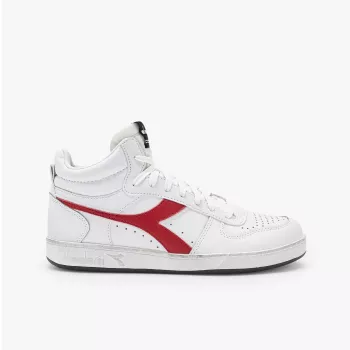
- White leather sneakers: clean silhouette; works with jeans, chinos, and casual trousers.
- Casual leather shoes: loafers or desert boots in brown bridge casual and smart-casual.
- Dress shoes: brown cap-toe oxfords or derbies handle weddings, interviews, and formal dinners.
- Boots (optional): simple leather boots in dark brown or black add range for fall and winter.
- Care basics: rotate pairs, use shoe trees for leather, and resole before the uppers are damaged.
Accessories That Make Outfits Look Finished
Accessories are the “cohesion tools” of a wardrobe. Keep them functional and neutral, then add personality gradually.
Spending patterns vary by household, but it’s still smart to focus on cost-per-wear and replacement timing; broader context on consumer spending can be found via the Bureau of Labor Statistics Consumer Expenditures program.
A Starter Capsule You Can Build in Stages
Common Fit Fixes That Change Everything
A Practical Guide That Pulls It All Together
For a streamlined plan you can follow and revisit, Menswear Essentials Every Guy Needs: A Complete Guide to Building Your Perfect Wardrobe lays out priorities, pairing ideas, and what to upgrade next.
FAQ
How many clothes should a basic men’s wardrobe have?
A practical starter range is about 10–15 core items plus seasonal outerwear and shoes. The goal is enough variety to rotate, not so much that pieces sit unused.
What colors are easiest to mix and match?
Neutrals like navy, gray, white, black, olive, and tan combine with almost everything. Add 1–2 accent colors (like burgundy or forest green) once your core is covered.
What should be tailored first?
Start with trouser length and waist, then shirt sleeve length; these changes create a cleaner silhouette fast. Jacket sleeves and waist suppression can help too, but avoid relying on shoulder alterations since they’re complex and expensive.







Leave a comment