DIY Hand Scrubs for Soft Hands: 3 Easy Recipes
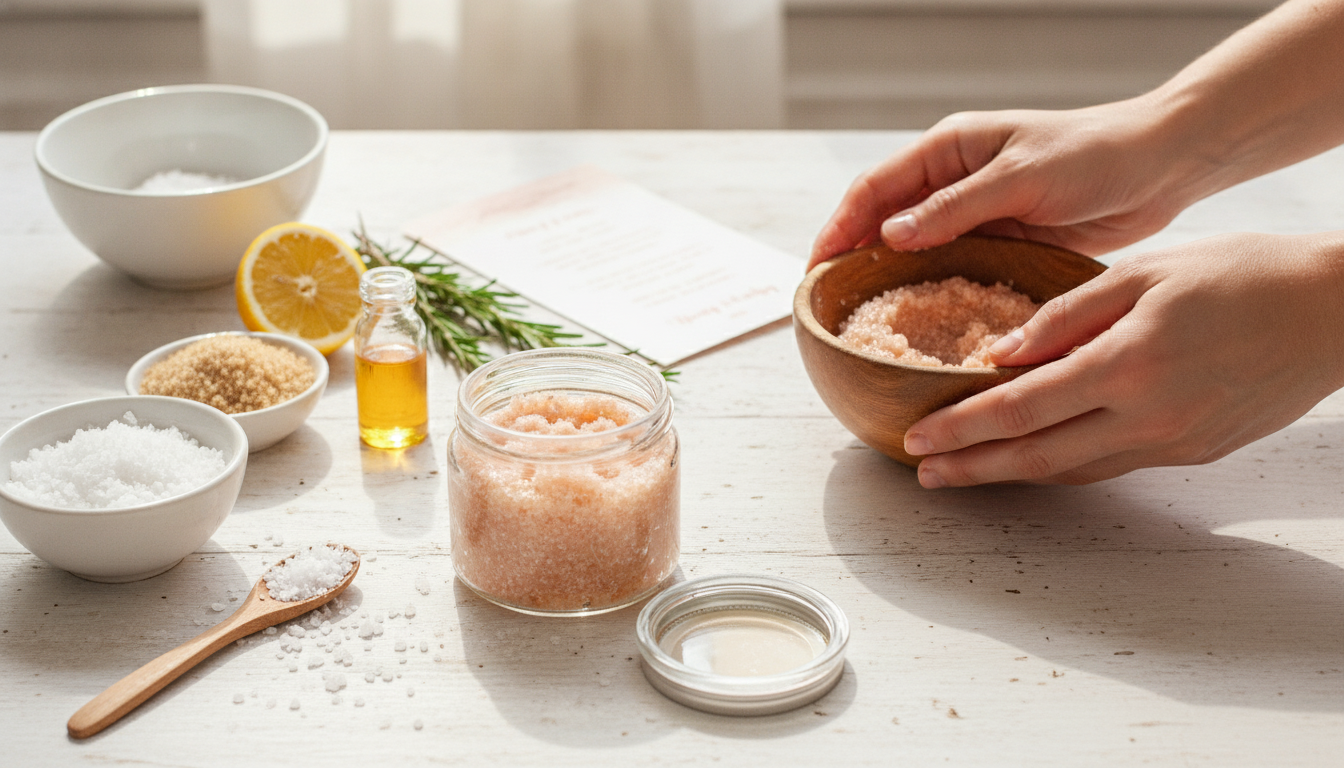
Smooth, comfortable hands start with the right balance of exfoliation, hydration, and barrier support. DIY hand scrubs can help lift away dull, flaky buildup so your moisturizer works harder—without turning your hands red or tight. Below you’ll find simple recipes, ingredient swaps for different skin needs, and an easy routine that fits real life (plus a way to track what actually improves softness over time).
What a Hand Scrub Does (and What It Shouldn’t Do)
A good hand scrub is a “polish,” not a punishment. It gently removes surface buildup so hands feel smoother and look brighter, especially around knuckles and fingertips where roughness collects. Used correctly, it also preps the skin to better absorb moisturizing steps applied right after rinsing—when water is still in the outer layer.
What a scrub shouldn’t do: sting, burn, or leave your hands feeling tight for hours. Those are signs the grains are too sharp, the pressure is too heavy, or your skin barrier is already irritated. Best results come from short contact time (under a minute), light pressure, and consistent aftercare.
Choosing Ingredients: Exfoliant + Base + Boosters
Think of a DIY hand scrub as three parts: (1) exfoliant for smoothing, (2) a base for slip and softness, and (3) optional boosters for comfort.
Exfoliants
- Fine sugar: typically the gentlest option; it dissolves as you massage, reducing “over-scrub” risk.
- Salt: stronger and can sting on tiny cracks, especially in winter dryness.
- Ground oats: ultra-gentle and soothing; ideal when hands get red easily.
Bases
- Oils (olive, jojoba, sweet almond): provide slip and immediate softness so you can use a lighter touch.
- Honey: a humectant that helps attract hydration for a more cushioned feel.
- Yogurt: creates a mild, creamy texture; best made in tiny batches and used quickly.
Boosters and fragrance
- Glycerin: supports moisture retention and makes scrubs feel less “draggy.”
- Aloe gel: calming, but anything water-based shortens shelf life.
- Vitamin E: optional antioxidant (not required for a good scrub).
- Essential oils: optional and should be extremely low—or skipped entirely for sensitive skin.
Preservation basics
Water-free scrubs (oil + sugar/salt) last longer. Any mix with water, aloe, or yogurt should be made in small batches and refrigerated to reduce spoilage risk.
| Skin need | Best exfoliant | Best base | Helpful add-ons | Avoid if irritated |
|---|---|---|---|---|
| Very dry, rough knuckles | Fine sugar | Olive or jojoba oil | Glycerin, a little honey | Salt, strong essential oils |
| Sensitive or easily red | Ground oats | Honey or a light oil | Aloe gel (fresh batch), colloidal oat | Citrus oils, coarse grains |
| Frequent handwashing | Fine sugar (short massage) | Oil + a touch of glycerin | Occlusive balm after | Over-scrubbing (more than 1–2x/week) |
| Calluses from tools/gym | Sugar + small pinch of salt | Thicker oil | Urea hand cream after (not in scrub) | Scrubbing on cracked skin |
Three Simple DIY Hand Scrub Recipes
For all recipes, aim for a texture like wet sand—not gravel. Add the exfoliant slowly so you can stop at a gentle grit level. Make small batches (enough for 1–3 uses) to keep things fresh and reduce contamination.
1) Basic Sugar-Oil Softener
Mix: 2 tbsp fine sugar + 1 tbsp oil. Optional: 1/4 tsp glycerin for extra slip. This is the everyday workhorse recipe—simple, fast, and easy to rinse clean.
2) Oat-Honey Comfort Scrub
Mix: 1 tbsp finely ground oats + 1 tbsp honey + 1 tsp oil. Gentle enough for hands that turn pink easily or feel reactive after sanitizer.
3) Coffee + Oil Polish (for very rough areas)
How to Use a Hand Scrub for Best Results
| Time | Step | What to use | Notes |
|---|---|---|---|
| After handwashing (daily) | Moisturize | Hand cream with glycerin/ceramides | Apply while skin is slightly damp |
| Night (3–7x/week) | Seal | Thick balm or petrolatum over cream | Best for cuticles and knuckles |
| 1–2x/week | Exfoliate | DIY scrub + gentle massage | Skip if cracked or stinging |
| As needed | Spot care | Cuticle oil or balm | Avoid picking hangnails |
Safety, Storage, and When to Skip Scrubbing
Water-containing mixes (aloe/yogurt) should be refrigerated and used within 3–5 days. If burning or persistent redness occurs, stop exfoliating and focus on barrier repair only for several days. For more tips on dry hand care and minimizing irritation, see guidance from the American Academy of Dermatology Association and an overview of barrier support from the Cleveland Clinic. If hand eczema is a concern, the National Eczema Association is a helpful reference for when to avoid irritants.
Smart Tracking: Personalizing Results Over Time
Guide and Toolkit Option
If you prefer a structured setup you can repeat without re-measuring and rethinking each time, a dedicated guide can help keep your routine consistent. Soft Touch: DIY Hand Scrubs – Complete Guide includes easy ratios, customization notes, and troubleshooting so you can refine what works for your hands.
For a calming at-home reset while you do your nighttime hand routine, Sandalwood Backflow Incense Burner – Alpine Flowing Water Aromatherapy can turn the “seal with balm” step into a small wind-down ritual. And if you’re often on the go, the Lightweight Waterproof Down Tote Bag makes it easier to keep hand cream, cotton gloves, and cuticle balm within reach.
FAQ
How often should a DIY hand scrub be used?
Most hands do well with 1–2 times per week. If you notice redness, stinging, or cracking, pause exfoliation and focus on moisturizing and barrier repair until your hands feel calm again.
Is sugar or salt better for a hand scrub?
Sugar is usually gentler because it dissolves as you use it. Salt can be more abrasive and may sting on micro-cuts or dry winter cracks.
What should be applied after a hand scrub to keep hands soft?
Apply a moisturizing hand cream immediately after rinsing and patting hands slightly damp. At night, seal it in with a thicker balm or petrolatum for longer-lasting softness.
















Leave a comment