Adjustable Pet Dryer Box: 360° Warm Air for Calm Drying
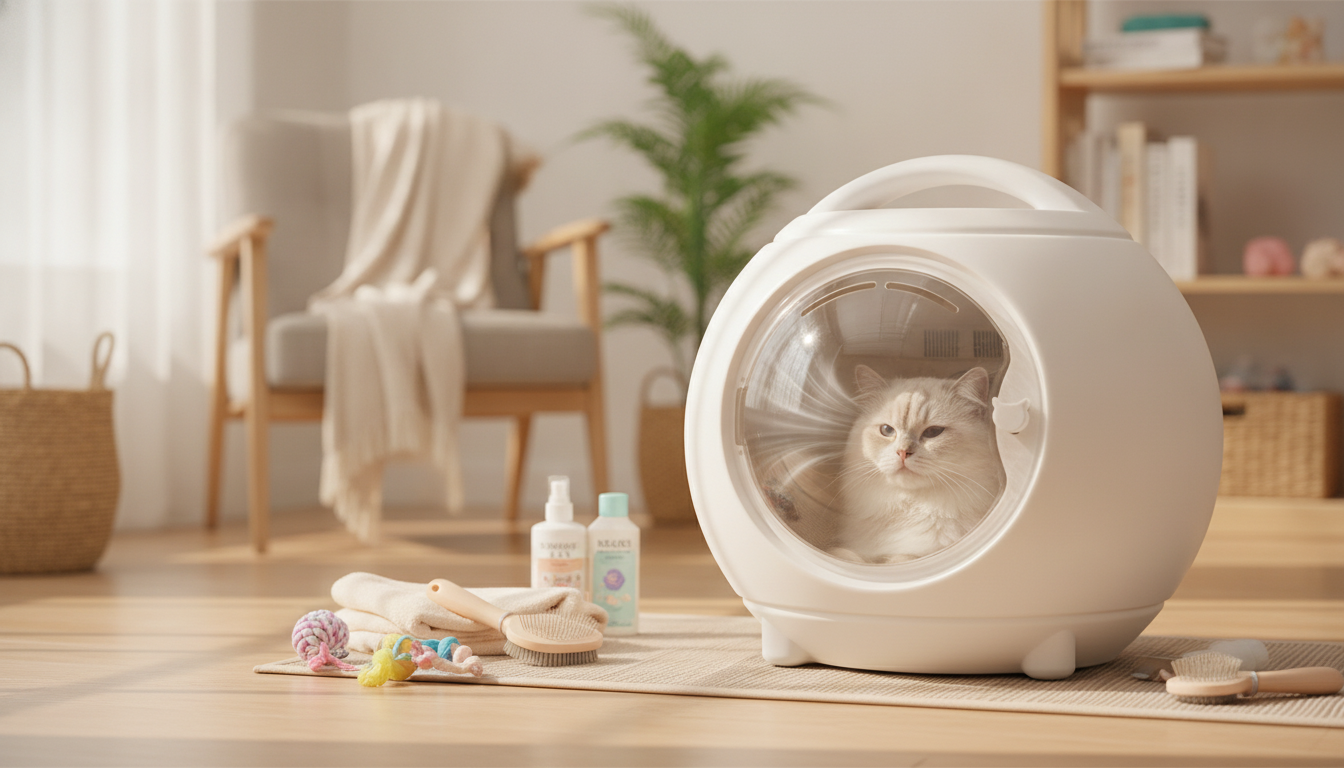
Pet Grooming Hair Dryer Box with Adjustable Temperature and 360° Warm Wind
Drying a pet after a bath can be the hardest part of grooming—especially for animals that dislike loud noise or direct airflow. A dryer box approach keeps warm air circulating around the coat while helping maintain a calmer, more controlled routine at home. For pet parents managing thick coats, rainy-day dampness, or a cat that bolts at the sound of a handheld dryer, a warm-wind drying box can make the post-bath process more predictable and comfortable.
What a pet dryer box does (and when it helps most)
A pet dryer box provides an enclosed space where warm air circulates around the pet. Instead of aiming a concentrated blast of air at one spot (often the face, ears, and legs), the airflow surrounds the coat and can feel less intense. This setup can be especially helpful for pets that dislike frequent repositioning or being held in place during drying.
- Creates an enclosed environment where warm air circulates around the pet, reducing the need for close-up blasting with a handheld dryer.
- Helps after baths, rainy walks, grooming appointments, or any situation where the coat takes a long time to air-dry.
- Often preferred for pets sensitive to noise, strong airflow, or frequent handling during drying.
- Supports more consistent coat drying, which may reduce lingering “damp dog” odor and moisture that can contribute to mats in longer coats.
Basic grooming guidance from organizations like the American Veterinary Medical Association (AVMA) and the American Kennel Club (AKC) reinforces the value of regular coat care—especially when it comes to keeping skin healthy and reducing tangles. Effective drying is part of that routine.
Comfort features: adjustable temperature and 360° warm wind
Two features can make a noticeable difference in day-to-day use: adjustable temperature and all-around airflow. Adjustable warmth helps match drying intensity to your pet’s coat type, size, and your home’s ambient temperature. Meanwhile, 360° warm wind circulation is designed to distribute warmth more evenly than a single-direction nozzle.
- Adjustable temperature lets you start gently and increase only if needed, helping avoid overly hot sessions.
- 360° circulation aims to reach multiple areas of the coat at once, including denser sections.
- Even airflow can help prevent heat from concentrating in one spot while still assisting with undercoat drying.
- A controlled enclosure can feel less startling for anxious pets than air directed at the face and ears.
How to match settings to typical situations
| Situation | Suggested approach | Why it matters |
|---|---|---|
| Small, short-haired pet after a quick rinse | Lower temperature, shorter session; towel first | Prevents overheating while still removing surface moisture |
| Medium/long coat after a full bath | Moderate temperature; longer session; brush during breaks | Helps dry undercoat and reduce tangles/mats |
| Senior or sensitive pet | Gentle warmth; more breaks; monitor closely | Supports comfort and reduces stress during drying |
| Cold room or winter conditions | Moderate warmth; ensure ventilation; avoid high heat | Maintains comfort without risking excess heat buildup |
Safety and stress reduction during drying
Even a well-designed dryer box should be used thoughtfully. Cats and dogs can react differently to enclosure-based drying, so gradual acclimation and close supervision are essential. If your pet is especially nervous, pairing drying with positive reinforcement and short sessions can help create a calmer routine over time. For general handling and comfort reminders—especially for cats—the ASPCA’s cat care resources can be helpful.
- Acclimate gradually: let your pet explore the box with the door open before turning on warm wind.
- Towel-dry first to shorten the total session and reduce how long your pet needs to stay inside.
- Watch for cues like panting, agitation, restlessness, or attempts to escape—these signal the need to stop and reassess.
- Keep sessions shorter with breaks, especially for thick coats, brachycephalic breeds, or pets prone to anxiety.
- Never leave a pet unattended while the unit is running; maintain visibility and quick access.
Getting better grooming results at home
A dryer box is most effective when it’s part of a simple, repeatable grooming flow. Small steps before and after the bath can reduce overall drying time and help the coat finish smooth rather than frizzy or tangled.
If your pet needs extra calm time during grooming days, structured play and routines can also help release nervous energy beforehand. For cats, Enrichment Ideas for Indoor Cats (Printable Guide) can support a more settled, cooperative vibe before you start bathing and drying.
Quick spec check before buying
Product option available now
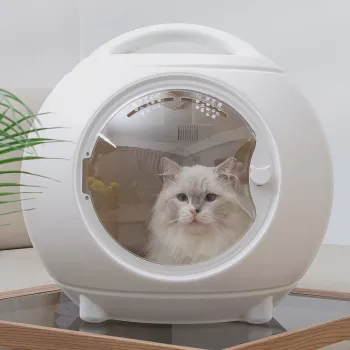
If a hands-off drying setup with adjustable warmth and all-around airflow fits your routine, consider the Pet Grooming Hair Dryer Box with Adjustable Temperature and 360° Warm Wind. It’s designed to provide controlled warmth and circulating airflow for at-home drying—especially helpful when you want a calmer alternative to aiming a dryer directly at your pet.
FAQ
Is a pet dryer box safe for cats and dogs?
It can be safe when used with supervision, gradual acclimation, and gentle heat settings. Keep sessions short with breaks, avoid high heat, and stop immediately if you see stress signs like panting, agitation, or repeated attempts to escape—especially for seniors or brachycephalic pets.
How long should drying take with warm wind circulation?
Drying time depends on coat thickness and how well you towel-dry first, but many pets fall in the range of about 15–45 minutes. Check the undercoat (chest, belly, behind the ears) for lingering dampness and use breaks to prevent overheating and reduce stress.
What temperature should be used for pet drying?
Start with low to moderate warmth and adjust based on your pet’s comfort and coat type rather than using the hottest setting. Prioritize steady, gentle heat with close monitoring, and reduce temperature or stop if your pet shows discomfort.














Leave a comment