38mm Men’s Luxury Chronograph: Sapphire & Leather
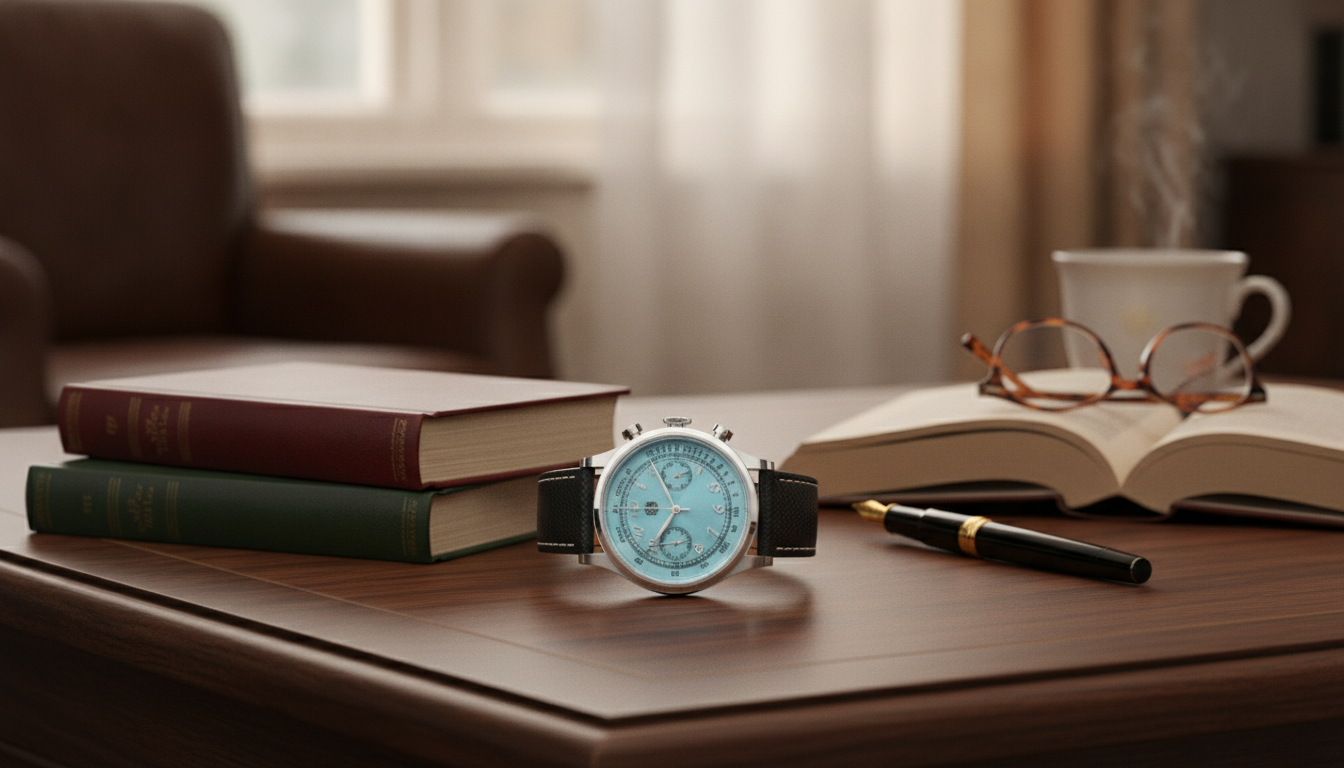
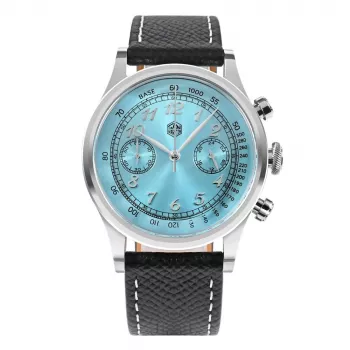
Men’s 38mm Luxury Chronograph Watch with Sapphire Crystal & Leather Strap
A 38mm chronograph with a sapphire crystal and leather strap balances refined proportions with everyday practicality. The result is a watch that reads polished at a glance, yet stays useful when real life calls for timing, durability, and comfort. Below is a clear breakdown of what these materials and features mean on the wrist—plus what to look for before buying and how to keep a leather-strap chronograph looking sharp for years.
What makes this chronograph feel “luxury” in daily wear
Luxury isn’t only about flash; it’s about the details that keep a watch looking composed through long days. A 38mm case leans classic and dress-forward, while the chronograph sub-dials add just enough sport character to keep it from feeling overly formal. A sapphire crystal contributes crisp visibility and strong scratch resistance compared with many common alternatives, helping the dial stay clean-looking even after months of wear.
The leather strap is another key part of the “everyday luxury” equation. It brings warmth and texture, pairs naturally with business and evening outfits, and usually feels less cold or heavy than a metal bracelet. And because it’s a chronograph, it’s not only about style—timing tasks like commutes, workouts, presentations, or cooking is a simple button press away, without unlocking a phone.
If you’re looking for a versatile daily piece, the goal is balance: comfortable size, durable crystal, and a strap that dresses up easily. That’s what makes a well-proportioned chronograph feel like a true “one-watch” option rather than something reserved for special occasions.
38mm sizing: who it fits best and how it wears
A 38mm watch tends to fit small-to-medium wrists particularly well, and it also appeals to anyone who prefers a traditional footprint. Compared with many larger sport chronographs, it typically slides under a dress cuff more easily and feels less top-heavy at a desk—especially if you type frequently or move your hands a lot throughout the day.
On the style side, a 38mm case creates a more understated presence that draws attention to finer details: dial texture, polished edges, and the symmetry of sub-dials. For larger wrists, 38mm can still look intentional when paired with refined outfits (think knitwear, tailoring, or a clean button-down) or used as a minimalist counterpoint to bolder clothing.
Comfort isn’t only about diameter. Lug-to-lug length, strap taper, and where the buckle lands often have a bigger impact on how a watch sits and stays centered.
Quick size and style guide
| Preference | Why 38mm works | Styling notes |
|---|---|---|
| Classic proportions | Closer to traditional dress-watch sizing | Pair with tailoring, knitwear, and leather shoes/belt |
| All-day comfort | Often lighter and less top-heavy | Ideal for desk work and frequent typing |
| Understated wrist presence | Doesn’t dominate the outfit | Let the strap and dial details do the talking |
| Sporty function without bulk | Chronograph utility in a smaller case | Works with polos, overshirts, and clean sneakers |
Sapphire crystal: clarity and scratch resistance
Sapphire is prized because it stays clearer over time. It resists many of the small scratches that can come from keys, zippers, and day-to-day grit—helpful on a chronograph, where multiple sub-dials and hands demand good legibility in varied lighting. In terms of hardness, sapphire is commonly discussed in relation to the Mohs scale, where higher hardness generally correlates with improved scratch resistance (GIA — Mohs Scale of Hardness).
There is a practical trade-off: sapphire can be more prone to chipping from sharp impacts than some softer crystals. That doesn’t make it fragile for normal wear—it simply means it’s still worth avoiding hard knocks on doorframes, countertops, or gym equipment.
Easy care helps preserve that “new watch” look: rinse dust off before wiping, use a soft microfiber cloth, and avoid abrasive cleaners that can haze coatings or mark surrounding metal surfaces.
Chronograph function: how it supports everyday timing
A chronograph is essentially a built-in stopwatch. For everyday use, it’s great for timing short intervals: parking meters, steeping coffee or tea, presentations, commute segments, or interval workouts. Sub-dials make elapsed time easier to track without switching screens or opening an app—especially when you want a quick check mid-task.
Leather strap: comfort, patina, and pairing with outfits
Build details to look for before buying
Care and longevity tips
For buyers who also care about water-related standards terminology, ISO provides guidance around water-resistant watch labeling (ISO — ISO 22810 (Water-resistant watches)).
In-stock picks to consider
- Men’s 38mm Luxury Chronograph Watch with Sapphire Crystal & Leather Strap — a refined, wearable chronograph size with a tailored leather look.
- Lightweight Waterproof Down Tote Bag — a practical companion for commutes and travel days when you want to keep essentials protected and organized.
A refined chronograph option in a wearable size
FAQ
Is sapphire crystal better than mineral glass for a watch?
Sapphire crystal is generally more scratch-resistant and tends to stay clearer over time than mineral glass. Mineral glass can sometimes handle sharp impacts differently, but for everyday wear, sapphire’s resistance to fine scratches is a major advantage.
Does a 38mm watch look small on a man’s wrist?
38mm is a classic size and often looks balanced, especially on small-to-medium wrists or with dress and smart-casual outfits. Lug-to-lug length and strap fit matter as much as diameter, and refined styling can make 38mm look intentional even on larger wrists.
How do you use a chronograph on a watch?
Most chronographs use one pusher to start/stop the timing and another to reset it to zero after stopping. Elapsed time is read from the central seconds hand and/or sub-dials; if the hands don’t reset cleanly, avoid forcing the buttons and have it checked.












Leave a comment