38.5mm Retro Pilot Automatic Watch: Sapphire + Coin Bezel
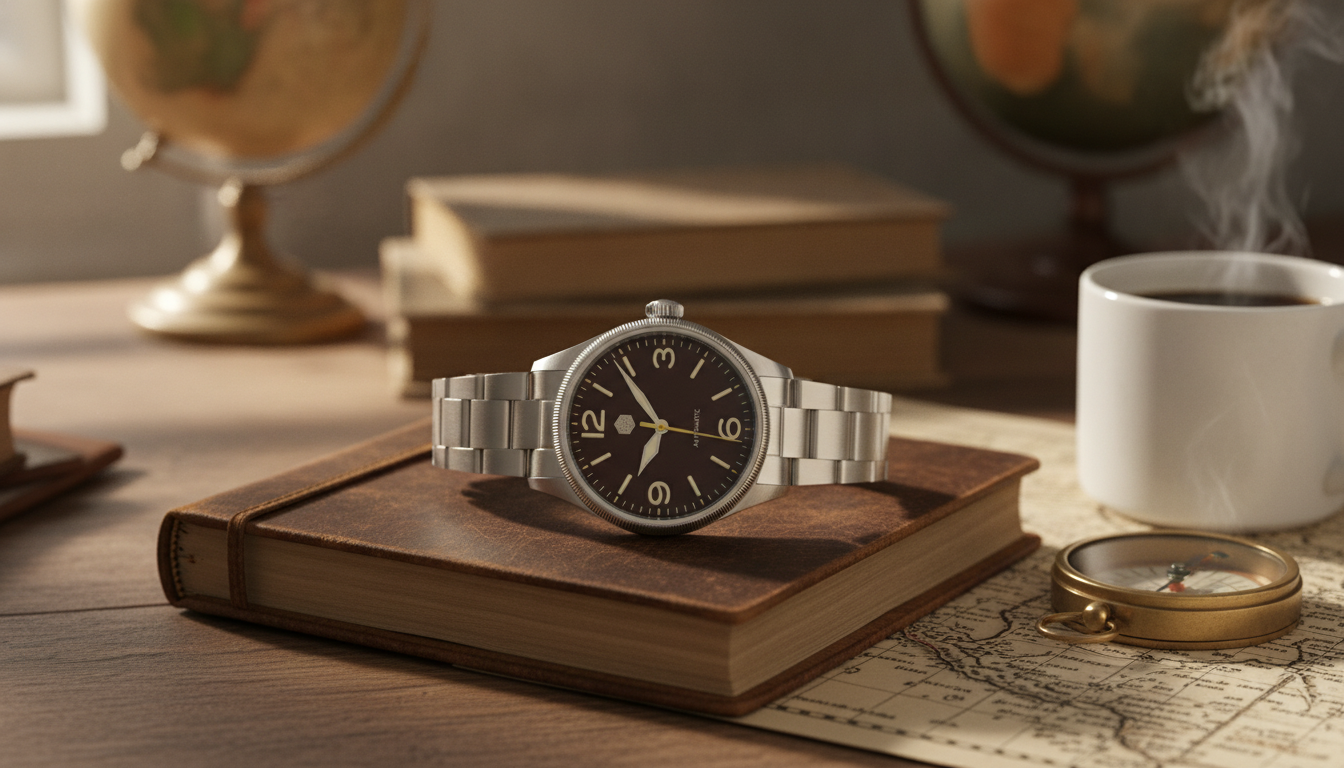
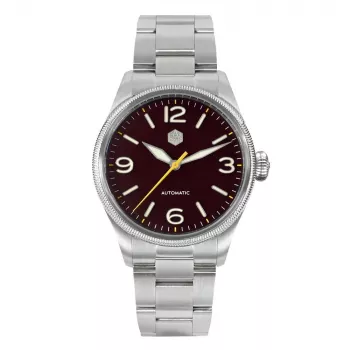
38.5mm Retro Automatic Pilot Watch with Sapphire Crystal & Coin Bezel
A compact pilot-style automatic watch built around vintage cues—clear legibility, a grippy coin-edge bezel, and a scratch-resistant sapphire crystal—sized for everyday wear at 38.5mm. The result is a tool-watch look that stays comfortable on most wrists, reads quickly at a glance, and holds up well when it’s the watch that actually gets worn instead of kept “for nice.”
Quick look: why this 38.5mm pilot style works
- 38.5mm case size suits a wide range of wrists and keeps the vintage pilot feel balanced rather than oversized.
- Sapphire crystal prioritizes clarity and scratch resistance for daily use.
- Coin-edge bezel adds tactile grip and a classic tool-watch profile.
- Automatic movement offers a mechanical wearing experience without a battery.
Design details: retro pilot cues in a modern size
Pilot-inspired watches earned their reputation by being easy to read and easy to operate. This 38.5mm format keeps that “instrument on the wrist” attitude, but in proportions that won’t dominate a sleeve cuff or overwhelm a smaller wrist. The dial layout is built for quick read times—bold markers, clean hands, and a purposeful presence that feels pulled from a vintage cockpit panel rather than a fashion watch display.
There’s also a practical advantage to the compact footprint: the dial-to-bezel balance stays crisp and legible without drifting into the “dinner plate” territory that some larger pilot designs can fall into. Paired with denim and a tee, it reads casual and rugged; with a simple oxford or knit layer, it becomes understated and classic rather than loud. If the goal is an everyday mechanical watch that doesn’t look like it’s trying too hard, this sizing is a strong sweet spot.
Crystal choice: what sapphire changes day to day
Sapphire crystal is one of those specs that tends to matter more after the honeymoon period. Day-to-day, it keeps the dial looking clean because it resists the micro-scratches that can gradually haze softer crystals. That long-term clarity is a big part of why sapphire is favored for watches meant to be worn often.
Scratch resistance isn’t the same as being unbreakable, though. Sharp impacts—especially near the crystal edge—can still cause damage. And if the watch includes anti-reflective coating, visibility can improve noticeably in bright conditions, but ultra-fine marks may show on the coating before the sapphire itself does. For background on sapphire as a durable material, see GIA’s Sapphire overview.
Bezel profile: the role of a coin-edge finish
The coin-edge bezel is doing two jobs at once: improving grip and adding a vintage machining texture that feels true to classic tool watches. Even when the bezel is fixed (non-rotating), the ridged edge makes the case easier to handle when fingers are dry, cold, or gloved. Visually, the pattern also breaks up reflections and gives the watch a more mechanical, “built” look instead of a smooth, jewelry-like shine.
Maintenance is simple: wipe around the bezel grooves occasionally, since dust and debris can settle into the ridges over time. If the bezel is rotating on this model, check the product page for direction and click feel; if it’s fixed, the benefit is mainly ergonomics and style.
Automatic movement: what ownership feels like
An automatic watch is powered by a mainspring that winds as it’s worn. Many automatic movements also allow manual winding via the crown, which can be helpful if the watch has been off-wrist for a day or two. Ownership tends to settle into an easy rhythm: set the time when needed, wear it regularly, and it stays running.
Everyday habits that help an automatic watch
| Habit | Why it helps |
|---|---|
| Wear consistently or store on a stable surface | Reduces frequent resets and keeps lubrication distributed |
| Set the time carefully and push the crown in fully | Helps maintain water/dust resistance and prevents accidental time shifts |
| Keep away from strong magnets (speakers, tablet cases) | Magnetism can affect timing on mechanical movements |
| Service when performance drops noticeably | Restores oils and seals for smoother operation |
Fit and comfort: getting 38.5mm right on the wrist
Durability and water exposure basics
After saltwater exposure, rinse with fresh water (when appropriate for the rating) and dry with a soft cloth. For general guidance on how water-resistance ratings should be interpreted, the Federation of the Swiss Watch Industry (FHS) water resistance guidance is a helpful reference.
Care, storage, and long-term upkeep
Who it suits: style and use cases
In-stock picks
- 38.5mm Retro Automatic Pilot Watch with Sapphire Crystal & Coin Bezel — a compact pilot-style automatic with sapphire clarity and a grippy coin-edge profile.
- Lightweight Waterproof Down Tote Bag — an easy daily-carry option for commuting or travel days when gear gets exposed to weather.
- Sandalwood Backflow Incense Burner – Alpine Flowing Water Aromatherapy — a relaxed desk or nightstand companion for winding down after long days.
FAQ
Does an automatic watch need a battery?
No. An automatic watch is mechanical and runs on a mainspring that’s wound by wrist motion (and sometimes by manual winding through the crown), so it doesn’t rely on a battery to keep time.
Is sapphire crystal worth it for daily wear?
Yes, sapphire is valued for its scratch resistance and the way it keeps the dial looking clear over years of regular use. Hard impacts can still damage a crystal, and anti-reflective coatings (if present) may show fine marks before the sapphire does.
Can this watch be worn in the shower or while swimming?
Check the specific water-resistance rating on the product page and follow it closely. Hot showers and steam can stress seals, and the crown should always be fully secured before any water exposure.













Leave a comment