1:87 Mini RC Drift Car: Lights, Sound & 2.4G Control
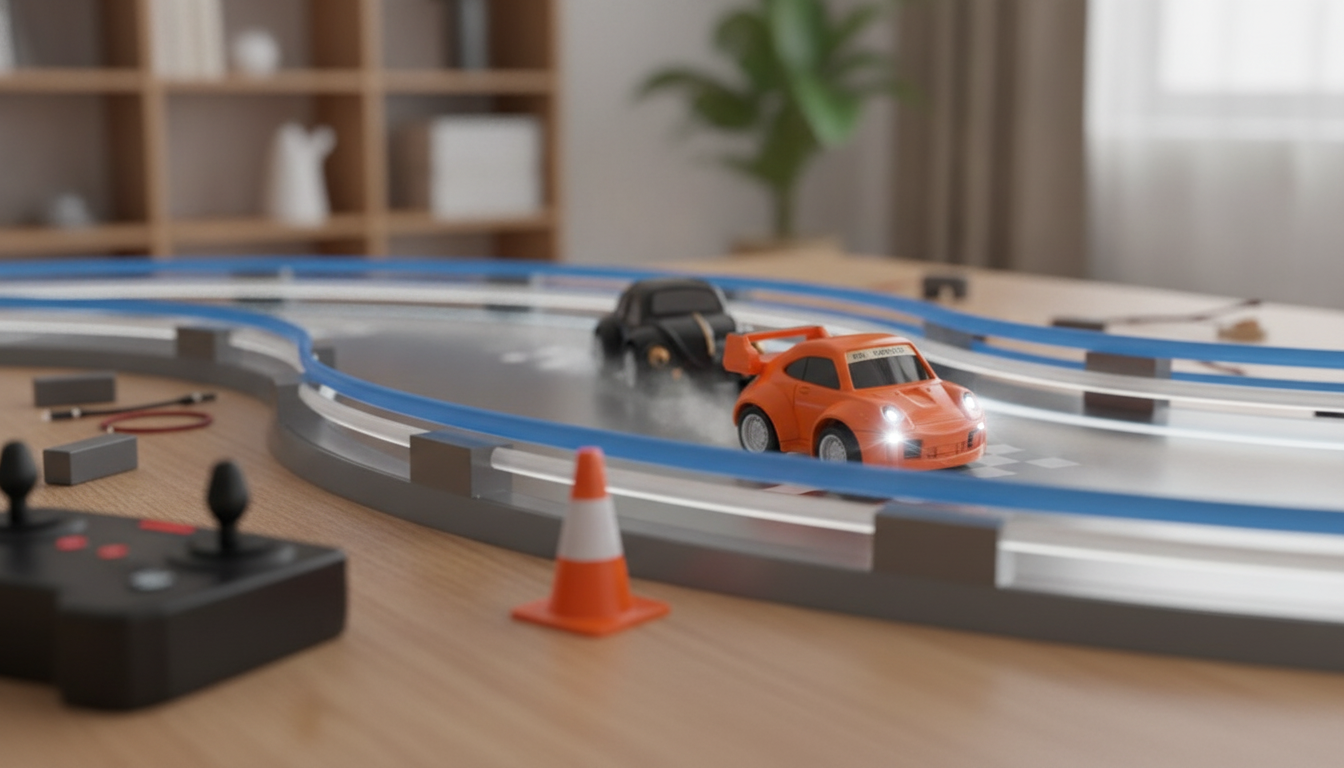
Mini 1:87 RC Drift Car with Lights & Sound: Big Fun in a Tiny Package
A 1:87 mini drift car brings sliding, steering practice, and desk-friendly play into a compact size. With working lights, sound effects, and a 2.4G wireless remote, it’s built for quick sessions at home, on smooth floors, or on a tabletop track—without needing a large driving area. If you like the satisfaction of linking corners and correcting tiny slides, this micro scale turns almost any small surface into a drift “course.” For more guidance, see A Low-Power CMOS Wireless Acoustic Sensing Platform for Remote ….
What Makes a 1:87 Drift RC Different
Full-size RC drifting usually needs room to build speed, set an angle, and recover. A 1:87 drift-style RC flips that idea: the fun is in precision, not distance. It’s the kind of toy that rewards a light touch and a steady rhythm rather than wide-open throttle. For further reading, see Radio-controlled car – Wikipedia.
- Ultra-compact scale designed for small spaces like desks, coffee tables, and hallway floors.
- Drift-style handling that emphasizes controlled sliding, tight turns, and throttle/steering coordination.
- Lights and sound that add realism and make short play sessions feel more engaging.
- 2.4G wireless control that helps reduce interference when multiple RC toys are used nearby.
Because everything happens faster at micro scale, small steering corrections matter more. That’s ideal for building smoother inputs—especially when practicing a consistent corner entry and exit on a mini track.
Key Features to Look For (Mini Track Practice)
If the goal is repeatable laps on a DIY course, prioritize control stability and easy-to-read feedback (like lights). A mini drift car is at its best when it encourages quick resets: drift, correct, line up, and go again.
- 2.4G wireless remote for stable control and fewer signal conflicts in busy home environments.
- Working lights for visibility and a more realistic look in dim rooms.
- Sound effects that add immersion during drift runs.
- Small scale size that makes DIY track setups easier (masking-tape lanes, cardboard barriers, cup “cones”).
- Simple controls that suit beginners learning smooth steering inputs.
Mini RC Drift Car at a Glance
| Feature | What It Does | Why It Matters for Mini Drifting |
|---|---|---|
| 1:87 scale size | Very small footprint | Fits tight practice areas and tabletop layouts |
| Lights | Illumination effects | Adds realism; easier to track direction during quick turns |
| Sound | Audio effects during use | Makes short sessions feel more like a “real” run |
| 2.4G wireless remote | Modern radio control band | More reliable control in busy home environments |
Where This Mini Drift Car Fits Best
A micro RC drift car shines when the “track” is whatever space is available. That could be a cleared section of living room floor, a tabletop layout, or a hallway with a few tape markers.
- Indoor smooth surfaces: sealed wood, laminate, tile, and smooth low-pile mats (results vary by surface friction).
- Small DIY drift courses: tape lines, cardboard chicanes, and lightweight obstacles.
- Quick breaks: short runs are ideal for practicing consistent corner entry and exit.
- Gift-friendly: a compact, affordable choice for RC fans who want something small-space ready.
If you’re setting up a mini “gym” for steering practice, aim for a surface that’s clean and consistent. Even small changes in dust or texture can make a tiny car feel like it gained or lost grip overnight.
Setup Tips for Better Drifts in Small Spaces
Mini drifting is less about speed and more about repeatability. A simple course that you can run the same way, over and over, is the fastest path to cleaner lines.
- Start wide: create a basic loop with tape lines; begin with gentle curves before tightening the course.
- Use soft barriers: cardboard strips or folded paper keeps bumps quiet and reduces scuffs on furniture.
- Steer less than you think: tiny cars respond quickly; smooth inputs beat full-lock turns.
- Pulse the throttle: use short, consistent throttle pulses entering a corner to start a slide, then ease off to regain grip.
- Clean the area: dust and debris change traction and steering response—especially at micro scale.
A fun drill is “two cones and a gate”: place two small cups as cones, then make a tape “gate” a few inches away. Practice sliding around the cones and lining up through the gate without touching anything.
Mini RC Drift Car Product Option
If you want a ready-to-run micro drifter with the fun extras built in, this option checks the main boxes for indoor practice and quick tabletop sessions:
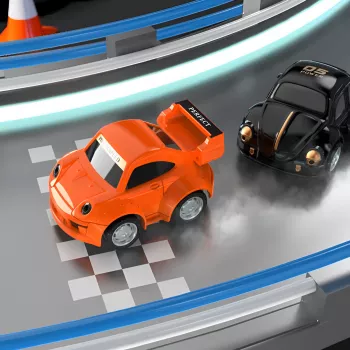
- Mini RC Drift Car 1:87 Scale with Lights & Sound – 2.4G Wireless Remote
- Compact scale for desk and indoor play
- Lights and sound for a more lifelike driving feel
- In stock at the time of publishing
Optional add-on for grab-and-go storage
Care, Safety, and Longevity Basics
FAQ
Does 2.4G wireless control help if other RC toys are used nearby?
Yes. 2.4GHz systems are designed to reduce interference compared with older single-frequency toys, which can make control more stable when multiple devices are operating nearby. Performance can still vary depending on your home environment and nearby wireless activity.
What surfaces work best for drifting with a mini RC car?
Smooth indoor surfaces like laminate, tile, and sealed wood typically work best for controlled sliding. Dust, debris, and surface texture can change traction quickly, and very rough surfaces can reduce drift and make steering feel inconsistent.
Are the lights and sound always on?
It depends on the model and its modes—some activate lights and sound automatically during driving, while others may offer on/off behavior. Check the product details for any specific switch, button, or mode options.














Leave a comment