New Kitten Feeding Guide: Food, Schedule, and Portions

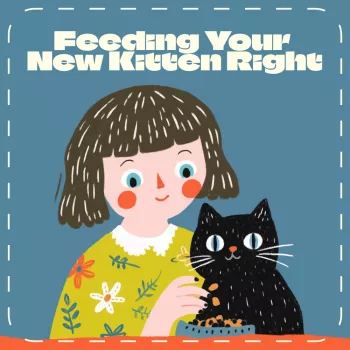
Feeding Your New Kitten Right: A Practical Starter Guide for Healthy Growth
A new kitten’s first months set the foundation for steady growth, strong bones, and a calmer relationship with food. The goal is simple: choose an age-appropriate diet, feed on a predictable schedule, and adjust portions as your kitten’s body and appetite change. Use the guide below to pick a starting food, plan the first week at home, and avoid common feeding mistakes.
Start with the basics: what a kitten needs from food
“Kitten” nutrition isn’t just smaller portions of adult food. Kittens are building muscle, organs, and bone quickly, so their diets need to be more energy-dense and specifically formulated for growth.
- Choose a complete and balanced formula labeled for “growth” or “kitten,” aligned with AAFCO or FEDIAF standards (not “adult maintenance”).
- Look for higher protein and calorie density than adult cat food, along with bone-supporting minerals like calcium and phosphorus in the right balance.
- DHA (an omega-3) is commonly included in kitten diets to support brain and vision development.
- Hydration matters: kittens eating only dry food often do better when moisture is added via wet food and/or a water fountain.
For a deeper look at balanced feeding and routine nutrition check-ins, you can review guidance from the WSAVA Global Nutrition Guidelines and the AAHA Nutritional Assessment Guidelines.
What food to start a new kitten on in the first week
The fastest way to trigger stomach upset is an abrupt food change during an already stressful transition (new smells, new people, new schedule). When possible, keep food steady first, then make changes gradually.
- If the previous diet is known, feed the same food for a few days, then transition slowly to your preferred kitten formula.
- If the previous diet is unknown, start with one reputable kitten formula (wet, dry, or a combination) and monitor appetite and stool quality.
- For kittens under 8 weeks, confirm with a veterinarian or rescue guidance first—very young kittens may need kitten milk replacer and bottle or slurry feeding.
- Avoid cow’s milk; many kittens don’t digest lactose well and may develop diarrhea.
Simple first-week plan (assuming an 8–12 week kitten already weaned)
| Day | Feeding approach | What to watch |
|---|---|---|
| 1–2 | Offer the current/known food or a single kitten formula in small, frequent meals | Eating within 20–30 minutes, normal energy, no repeated vomiting |
| 3–4 | If changing foods, mix 75% old + 25% new (or keep steady if already doing well) | Stool stays formed; mild softness can be normal during change |
| 5–6 | Mix 50% old + 50% new | Appetite remains consistent; no straining or watery diarrhea |
| 7+ | Mix 25% old + 75% new, then 100% new after another 2–3 days | Coat looks good; steady weight gain; playful behavior |
Wet vs. dry (and why a combination often works well)
Wet and dry foods can both be excellent choices as long as they’re formulated for kittens and fed in measured portions. Many households end up with a mixed approach because it’s practical and kitten-friendly.
- Wet food boosts moisture intake, which can help kittens that don’t drink much yet.
- Dry food is convenient and can work well for households that need flexibility during the day.
- A combination can support hydration while keeping routines simple (for example: wet morning/evening, measured dry at midday).
- Whatever you choose, measure portions. Free-feeding large amounts can encourage excess weight gain even in young cats.
If you’re unsure how to balance formats, the Cornell Feline Health Center’s feeding overview is a helpful reference point for safe, steady habits.
How often to feed: meal frequency by age
Meal frequency is about matching a kitten’s small stomach and fast metabolism. A predictable schedule also helps you notice changes early—like reduced appetite after vaccines or stress.
- 8–12 weeks: typically 4 small meals per day.
- 3–6 months: usually 3 meals per day, kept consistent.
- 6–12 months: often 2 meals per day, adjusted to activity and body condition.
- Water: keep fresh water available at all times; multiple bowls (or a fountain) in quiet spots can increase drinking.
Portioning without guessing: body condition, not the bowl
Common feeding problems and quick fixes
Not eating
Eating too fast
Refusing food after a switch
Messy mealtimes
A deeper, step-by-step plan for confident feeding
A structured routine makes kitten feeding feel simpler: the right formula, the right number of meals, and an easy way to adjust portions without overthinking. For a comprehensive walkthrough from day one through the first year, use Feeding Your New Kitten Right | Essential Kitten Nutrition eBook | Learn What Food to Start a New Kitten On for Healthy Growth & Happy Mealtimes.
Because food and behavior are connected (especially in indoor kittens), pairing nutrition with daily play can support healthier appetite cues and calmer mealtimes. For simple routines and DIY play ideas, see Enrichment Ideas for Indoor Cats | Printable Cat Enrichment Guide | DIY Toys, Play Routines, and Cat-Friendly Home Tips.
FAQ
What is the best food to start a new kitten on?
Start with the food the kitten was already eating if possible, then transition gradually to a complete and balanced kitten (growth) formula from a reputable brand. Wet, dry, or a measured combination can all work depending on hydration needs and your routine.
How often should a kitten eat each day?
Most 8–12 week kittens do well with 4 small meals daily, 3–6 months with 3 meals, and 6–12 months with 2 meals. Adjust based on body condition, growth rate, and your veterinarian’s guidance.
Should kittens eat wet food or dry food?
Either can work if it’s a balanced kitten diet. Wet food supports hydration, dry food is convenient, and many households succeed with a combination while measuring portions to prevent overeating.















Leave a comment