11500RPM Brushless Cordless Clippers: DLC Blade Guide
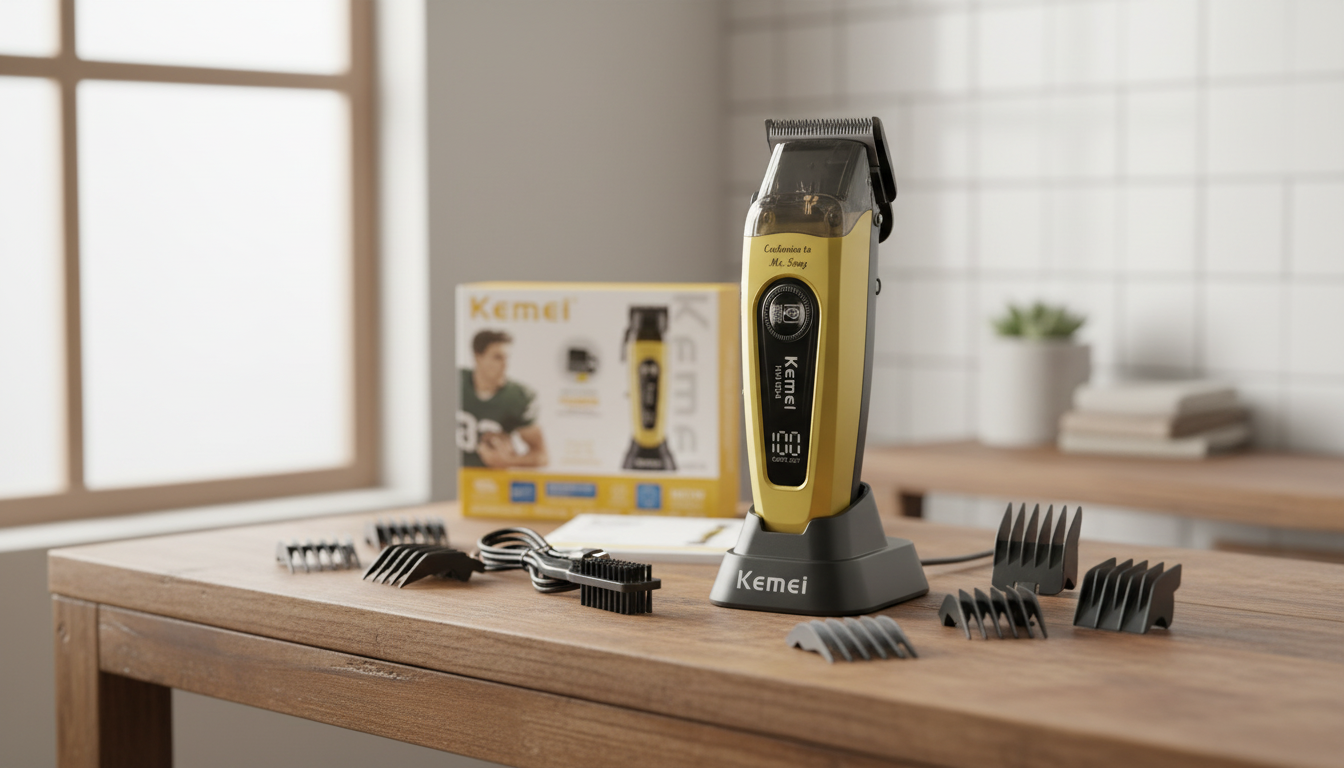
High-Speed Cordless Cutting: When Power and Blade Finish Work Together
Fast, clean cuts depend on two things: consistent power and a blade that stays smooth under load. This cordless clipper pairs an 11500RPM brushless motor with a DLC-coated blade to help reduce snagging, keep cutting speed steady, and support everything from bulk removal to tighter detailing.
If you’re looking for a cordless tool that feels confident through thick hair, dense growth patterns, or coarse beards, the combination of high RPM and a low-friction blade surface can make every pass feel more controlled—especially when technique and maintenance are kept simple and consistent.
What sets a high-speed cordless clipper apart
- Higher RPM supports quicker bulk removal and smoother passes through thick hair.
- Brushless motors are built for efficiency and consistent torque, helping maintain performance as the battery drains.
- Blade coatings like DLC can reduce friction and improve glide, especially in longer sessions.
- Cordless freedom improves mobility for self-cuts, home grooming, and barbershop movement between clients.
Motor performance: 11500RPM brushless drive
A high-speed motor isn’t just about raw speed—it’s about maintaining momentum when hair density changes. That matters when moving from lighter sections into thicker zones like the crown, the occipital ridge, or a coarse beard line.
- 11500RPM supports faster cutting cycles, helping reduce the number of passes needed for an even result.
- Brushless design typically means lower wear compared to brushed motors, supporting longer service life with routine care.
- Consistent power delivery helps when transitioning between densities and growth directions.
- Heat management matters in long sessions; oiling and short cool-down breaks help keep the blade comfortable.
Motor-related practical takeaways
| Feature | Why it matters during a cut | Tip for best results |
|---|---|---|
| High RPM (11500) | Moves through bulk quickly and reduces tugging | Use controlled, steady strokes instead of pushing harder |
| Brushless efficiency | Maintains speed better as charge drops | Recharge before long sessions for maximum consistency |
| Higher sustained output | Helps on thick/coarse hair and beard work | Clean hair and pre-brush to avoid clogging the teeth |
DLC blade: smooth glide and durability
DLC (diamond-like carbon) is engineered to reduce friction and improve wear resistance on cutting surfaces. In daily use, that often shows up as a smoother glide across coarse, curly, or compact hair—where “grabby” blades can feel like they’re catching instead of slicing.
- DLC coatings are designed to reduce friction and improve wear resistance on cutting surfaces.
- Lower friction can translate to smoother passes and less “grab” on coarse or curly hair.
- Routine cleaning prevents micro-debris from dulling the cutting edge over time.
- Light oiling after each use supports consistent cutting feel and helps protect the blade surface.
For a quick background on DLC as a material technology, see Encyclopaedia Britannica — Diamond-like carbon (DLC).
Cordless convenience: battery, charging, and session planning
Cordless clippers shine when angles get awkward: behind the ears, under the occipital bone, and along the neckline. For self-haircuts, losing the cord also reduces accidental shifts in wrist position—one of the biggest causes of uneven lines at home.
- Cordless trimming improves reach around the neckline, behind the ears, and for self-haircuts without cable pull.
- For longer sessions, plan a quick mid-session reset: brush off hair, re-oil, and let the blade cool briefly.
- Keep a dedicated charging spot and avoid storing the clipper with hair packed into the blade area.
Comfort factors: grip, vibration, noise, and heat
Comfort is performance. When a clipper feels stable in-hand, taper control improves and small corrections become easier. If you’re detailing around ears or shaping sideburns, lower vibration can also help you place lines more precisely.
Using it for fades, tapers, and beard cleanup
Quick workflow for a cleaner home cut
| Step | Goal | Common mistake to avoid |
|---|---|---|
| Prep | Detangle and brush hair in natural direction | Cutting through product buildup or tangles |
| Bulk removal | Even length across the head area | Rushing and skipping sections |
| Blend | Smooth transitions between lengths | Creating a hard line by pressing too firmly |
| Detail | Refine around ears/neck and check symmetry | Over-correcting one side without re-checking the other |
Cleaning and maintenance routine
For general cleaning and disinfecting best practices, reference guidance from the CDC and U.S. Food & Drug Administration (FDA).
Who this clipper fits best
At-a-glance comparison: high-speed brushless vs typical cordless clippers
Typical differences to consider
| Category | High-speed brushless + DLC blade | Typical cordless clipper |
|---|---|---|
| Cutting through thick hair | More consistent feel with fewer stalls | May require more passes or slower technique |
| Blade glide | Often smoother with reduced friction | Varies by blade material and upkeep |
| Upkeep impact | Still needs regular oiling/cleaning for best results | Also needs upkeep; neglect shows quickly |
| Use case | Frequent trims, fades, dense hair, beard work | Light maintenance cuts and occasional use |
Featured in-stock picks
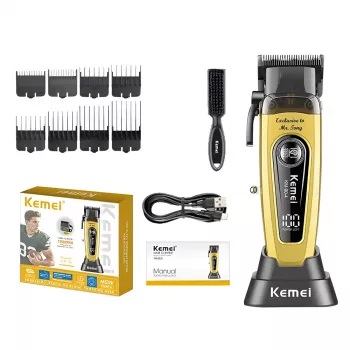
- High-Speed Cordless Hair Clippers with DLC Blade & 11500RPM Brushless Motor
- Lightweight Waterproof Down Tote Bag (a simple way to carry grooming tools for travel or house calls)
- Sandalwood Backflow Incense Burner – Alpine Flowing Water Aromatherapy (a calming add-on for a home grooming setup)
FAQ
Does a DLC blade help reduce pulling on thick or curly hair?
It can. DLC coatings are designed to reduce friction and resist wear, which often helps the blade glide more smoothly and feel less grabby. Clean hair, correct guard choice, and regular oiling still make a big difference.
Is 11500RPM too fast for beginners?
No—higher speed can actually feel smoother because it cuts efficiently without as much pressure. Start with longer guards, use short controlled strokes, and let the clipper do the work instead of pushing into the hair.
How often should the blade be oiled?
Add a few drops after each use, and re-oil during longer sessions if the blade starts to feel warm or less smooth. Regular brushing/cleaning keeps oil effective by preventing residue buildup.












Leave a comment