XL Double-Door Folding Wire Dog Cage w/ Leak-Proof Tray
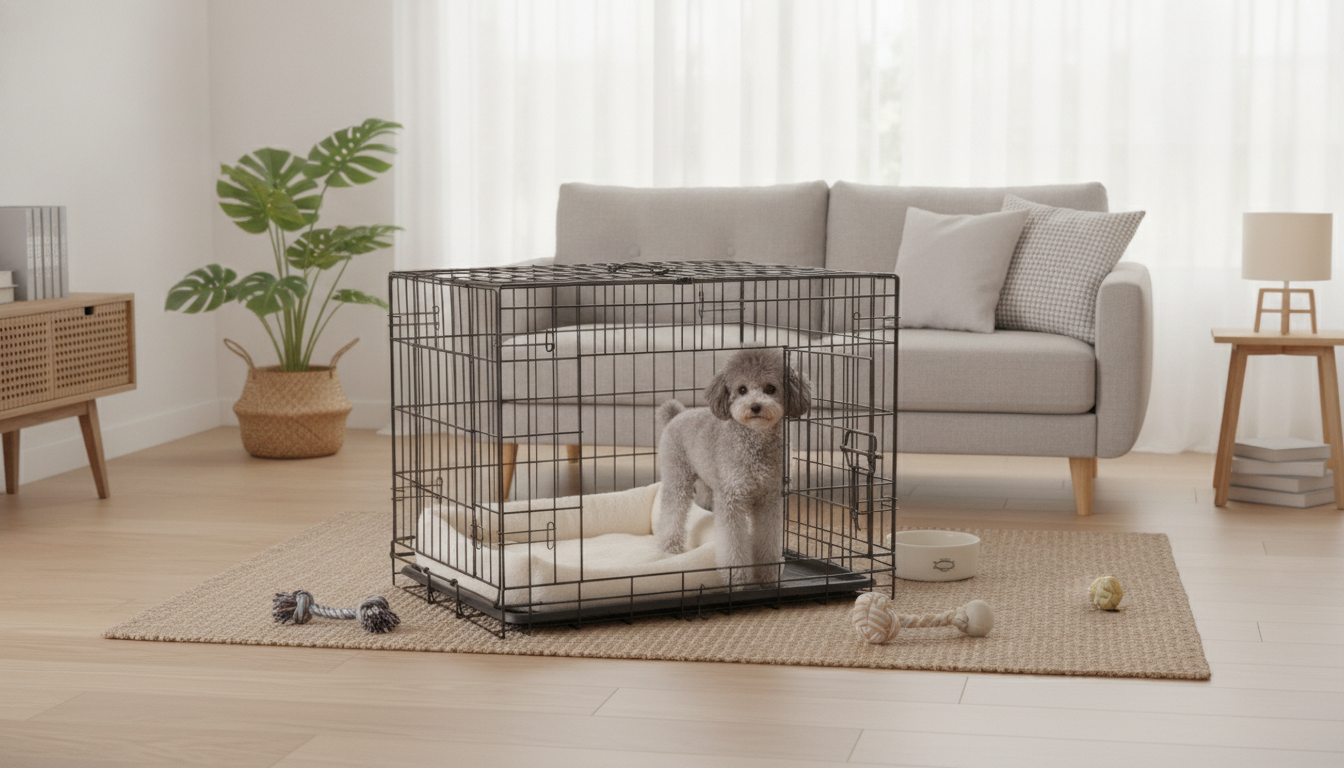
Extra Large Double Door Folding Metal Wire Dog Cage with Leak-Proof Pan Tray
A secure, easy-to-manage crate can support calm routines at home and safer transport. The Extra Large Double Door Folding Metal Wire Dog Cage with Leak-Proof Pan Tray combines a sturdy wire frame, two access doors, and a removable tray built to help contain messes. It’s a practical setup for everyday crating, short-term containment, and training routines when used with positive reinforcement and appropriate breaks.
For step-by-step training basics and humane guidance, reputable resources include the American Kennel Club, the Humane Society of the United States, and the ASPCA.
What This Crate Is Designed to Do
- Provide a defined rest space that helps many dogs settle during naps, overnight sleep, or quiet time.
- Offer easy access from multiple angles with two doors, useful for room layouts and for guiding dogs in and out smoothly.
- Make cleanup faster with a removable leak-proof pan tray that helps contain accidents, spilled water, and shedding.
- Store and move more conveniently thanks to a folding design that reduces bulk when not in use.
Key Features That Matter Day to Day
- Double-door access: Choose the most convenient entry depending on where the crate sits (against a wall, near furniture, or in a corner).
- Folding metal wire frame: Promotes airflow and visibility while packing down for storage between trips or when guests visit.
- Leak-proof pan tray: A removable base tray helps protect floors and makes spot-cleaning quicker.
- Open wire structure: Supports ventilation and can feel less closed-in than solid-sided kennels for dogs that prefer to see what’s happening.
- Extra large footprint: Intended for larger dogs or for medium dogs that prefer more stretch-out space (always size by measurement, not label).
Feature-to-benefit map
| Feature | Why it helps | Best for |
|---|---|---|
| Two doors | Flexible placement and easier guiding in/out | Apartments, tight rooms, training sessions |
| Folding frame | Simple storage and portability | Travel, temporary setups, multi-pet homes |
| Leak-proof pan tray | Contains mess and speeds cleaning | Puppies, senior dogs, post-grooming |
| Open wire design | Airflow and visibility | Warm climates, dogs that prefer to see surroundings |
Getting the Right Fit for the Dog
- Measure the dog from nose to base of tail, and from floor to top of head (or ear tips, whichever is higher). Choose a crate that allows standing, turning around, and lying down comfortably.
- For housetraining: avoid oversizing if the dog is likely to use one corner as a bathroom; an appropriately sized space can support cleaner habits alongside a consistent potty schedule.
- For adult dogs with reliable potty habits: a bit of extra room can be comfortable for stretching during longer rest periods, as long as the dog remains calm and settled.
- Consider entry preference: some dogs step in more confidently through a side door rather than turning to enter a front door.
Placement and Setup Tips
- Pick a lower-traffic spot for downtime while keeping the crate within view of the household to reduce isolation stress for social dogs.
- Confirm the floor is level so the tray sits flush and the doors align and latch smoothly.
- Use a crate mat or bedding that lies flat. Avoid thick cushions for puppies learning boundaries or for dogs prone to chewing.
- Keep water stable. Attachable bowls can reduce spills that would otherwise land on the tray.
- Practice calm entry and exit: reward stepping in, turning, and lying down so the crate becomes a predictable, positive place.
If you’re building a small “grab-and-go” setup for training or travel days, the Lightweight Waterproof Down Tote Bag can be a simple way to carry wipes, a spare leash, and cleanup supplies without worrying about damp items.
Cleaning and Tray Care
- Slide out the leak-proof pan tray for quick rinsing after accidents, muddy paws, or spilled water.
- Wash with mild soap and warm water, rinse thoroughly, and dry completely before reinserting to reduce lingering odors.
- For odor control after pet messes, enzymatic cleaners are typically preferred because they help break down proteins rather than masking smells.
- Check tray edges and corners regularly. Keeping the tray seated fully helps prevent gaps where liquid could escape.
- Wipe wire surfaces routinely to remove dander buildup, especially if the crate is used daily.
Safety and Comfort Checks
Quick safety checklist
| Check | What to look for | How often |
|---|---|---|
| Door latch | Clicks shut and resists pushing/pawing | Daily |
| Wire condition | No bends, breaks, or sharp ends | Weekly |
| Tray fit | Fully seated with no rocking or gaps | Weekly |
| Floor protection | Non-slip surface under crate if needed | As needed |
Common Use Cases
If your household also includes cats and you’re setting up calm zones for multiple pets, the Enrichment Ideas for Indoor Cats | Printable Cat Enrichment Guide can help structure play and enrichment so pets get attention outside of quiet-time routines.
FAQ
How long can a dog stay in a crate?
It depends on the dog’s age, training level, and health. Puppies and senior dogs generally need more frequent potty and movement breaks, and prolonged crating without exercise and bathroom access isn’t appropriate.
How should the leak-proof pan tray be cleaned after accidents?
Remove the tray, wash it with mild soap and warm water, then rinse well and dry completely. For odor control, use an enzymatic cleaner per the label directions before reinserting the tray.
Is a double-door crate better than a single-door crate?
Two doors can make placement much easier and reduce awkward turning when guiding a dog in or out. This often helps in tight rooms, corners, and training sessions where smooth entry and exit matter.














Leave a comment