10.2mm Dynamic Climbing Rope: Choose 131–230ft Length
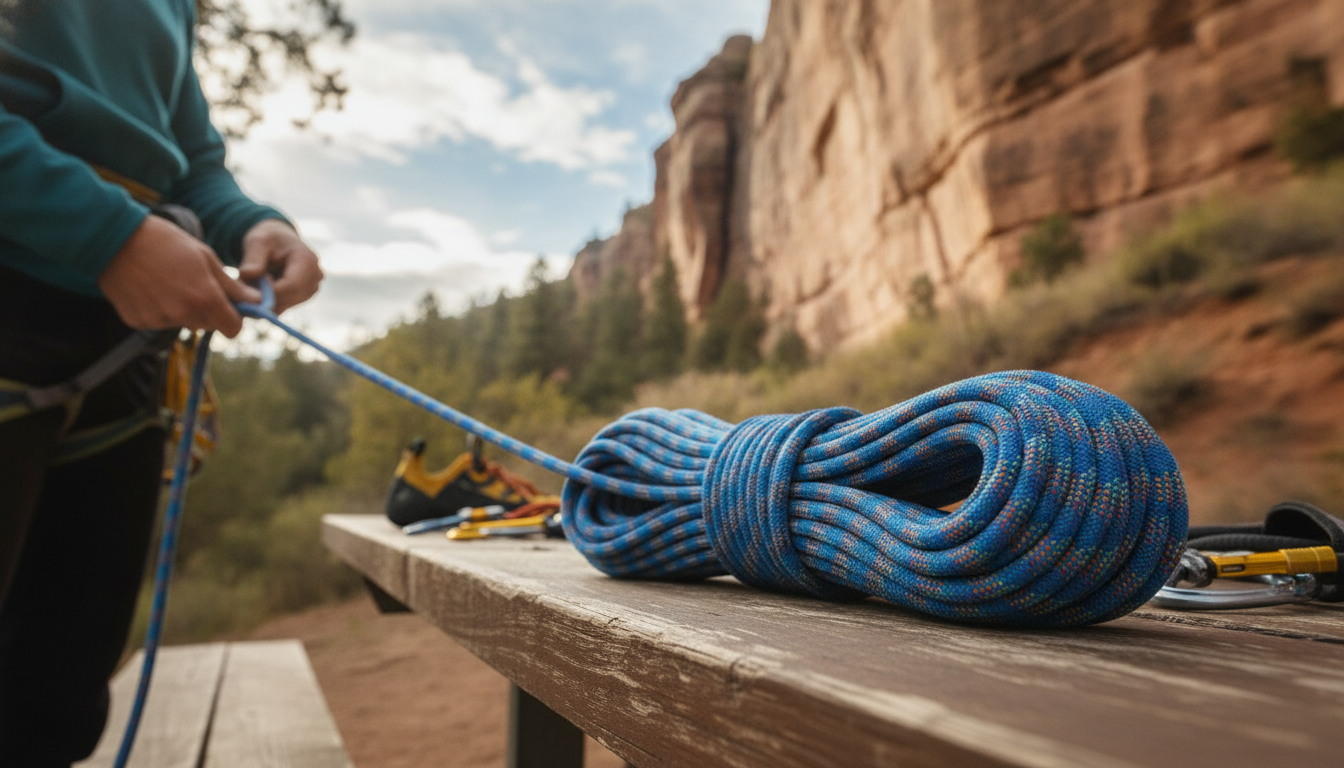
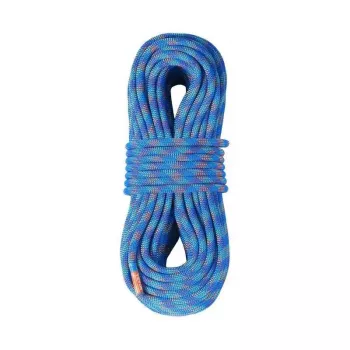
10.2mm Dynamic Climbing Rope (131–230ft): Stretchable Safety Line for Outdoor Use
A dynamic climbing rope is built to absorb energy during a fall, helping reduce impact forces on the climber, belayer, and protection. This 10.2mm option in 131–230ft lengths is sized for everyday outdoor climbing, with a diameter that balances durability, handling, and dependable catch performance for a wide range of belay devices. Whether you’re building mileage at your local crag or dialing in belay skills, a well-chosen dynamic rope is one of the most important pieces of safety equipment you’ll own. For more guidance, see [PDF] Review of rope-based access methods for the forest canopy.
What a dynamic rope does (and why stretch matters)
Dynamic construction is designed to elongate under load, reducing peak force compared with low-stretch/static lines. That controlled stretch helps protect the climber, harness, anchors, and gear by smoothing out the catch, especially in lead falls where fall factors and rope drag can change the feel of a catch. For further reading, see Petzl Flow and Control Climbing Lines – Tree Care Industry Magazine.
Dynamic ropes are intended for lead climbing and top-rope scenarios where fall energy needs to be managed. They’re not designed to feel “bouncy” for its own sake—stretch is part of a tested system that works with your belay device, harness, and protection placements.
A dynamic rope is not a substitute for proper belay technique, compatible equipment, and sound anchor building. To understand how ropes are tested and categorized, it’s worth reviewing the UIAA Safety Standards for ropes.
Rope diameter: what 10.2mm means in real use
A 10.2mm diameter sits in a versatile middle ground: thicker than ultralight skinny ropes, yet still manageable in most modern belay devices. For many climbers, it’s a “do-most-things” size that feels steady when paying out slack and more confidence-inspiring when catching and lowering.
Thicker ropes generally offer improved abrasion tolerance and longevity for frequent outdoor sessions, especially on rough rock or when the rope sees repeated top-rope laps. Handling also tends to feel easier for newer belayers due to increased friction and a more substantial grip.
Belay device and carabiner compatibility still matters: always confirm your device’s approved rope diameter range. A rope that’s too thick can feel grabby and hard to feed; too thin can feel slick and demand extra attention from the belayer.
| Feature | What to expect with 10.2mm | Why it matters |
|---|---|---|
| Handling | Comfortable grip and controlled feeding | Smoother belays and more predictable lowering |
| Durability | Generally more robust than thinner cords | Better suited to rough rock and frequent use |
| Weight/Bulk | Heavier and bulkier than skinny ropes | Pack size and long approaches may feel harder |
| Belay compatibility | Works with many devices, but check specs | Prevents slippage or excessive friction |
Choosing length: 131ft vs 164ft vs 197ft vs 230ft
Length selection should match common route heights, the need to lower to the ground, and whether the rope will be used for single-pitch or longer pitches. For outdoor single-pitch climbing, the “right” length is often the one that comfortably covers your typical route heights with enough margin for anchor setup, rope stretch, and lowering.
Shorter lengths can be easier to carry and coil, and may suit gyms, short crags, or practice setups (like belay drills or mock leads on smaller formations). They can also reduce rope drag and keep rope management simpler when space is tight at the base.
Longer lengths increase flexibility for taller routes and reduce the risk of coming up short during lowering. If your local area has longer single pitches—or if you travel frequently and don’t want to guess—having more rope can prevent the most avoidable error in lowering: not reaching the ground.
Where this rope fits best
Safety checks before every climb
Care and storage to extend rope life
Dry away from direct heat and sunlight; store in a cool, dry place to minimize material degradation. If you need a deeper refresher on everyday upkeep, REI’s guide on how to care for and store a climbing rope is a helpful baseline.
Product details and buying option
If you’re looking for a balanced, outdoor-ready diameter with multiple length choices, check the available options here: 10.2mm Dynamic Climbing Rope – 131-230ft Stretchable Outdoor Safety Rope. Select the length that matches your usual routes and lowering needs, then confirm your belay device’s approved diameter range before your first day out.
For approaches, crag days, or simply keeping gear contained and protected from damp ground, you may also like: Lightweight Waterproof Down Tote Bag.
FAQ
Is a dynamic rope the right choice for rappelling or hauling?
A dynamic rope can be used for rappelling, but the stretch and handling may feel different than a low-stretch line, especially with heavier loads. For hauling and fixed-line tasks, a low-stretch/static rope is often more appropriate; choose the rope type that matches the system and follow manufacturer guidance and qualified instruction.
How do you choose the right rope length for outdoor routes?
Match rope length to typical route height and your descent method (lowering versus rappelling), and account for anchor setup and rope stretch. Check guidebooks or route info, and always tie a stopper knot and confirm the rope ends will reach the ground before lowering.
When should a climbing rope be retired?
Retire a rope if there’s severe sheath damage, a core shot, glazing, major flat spots, suspected chemical exposure, or a significant fall history beyond what the manufacturer allows. If there’s any doubt about safety, err on the conservative side and replace it.













Leave a comment