Heal Cracked Heels Fast: 7-Day Routine + Checklist
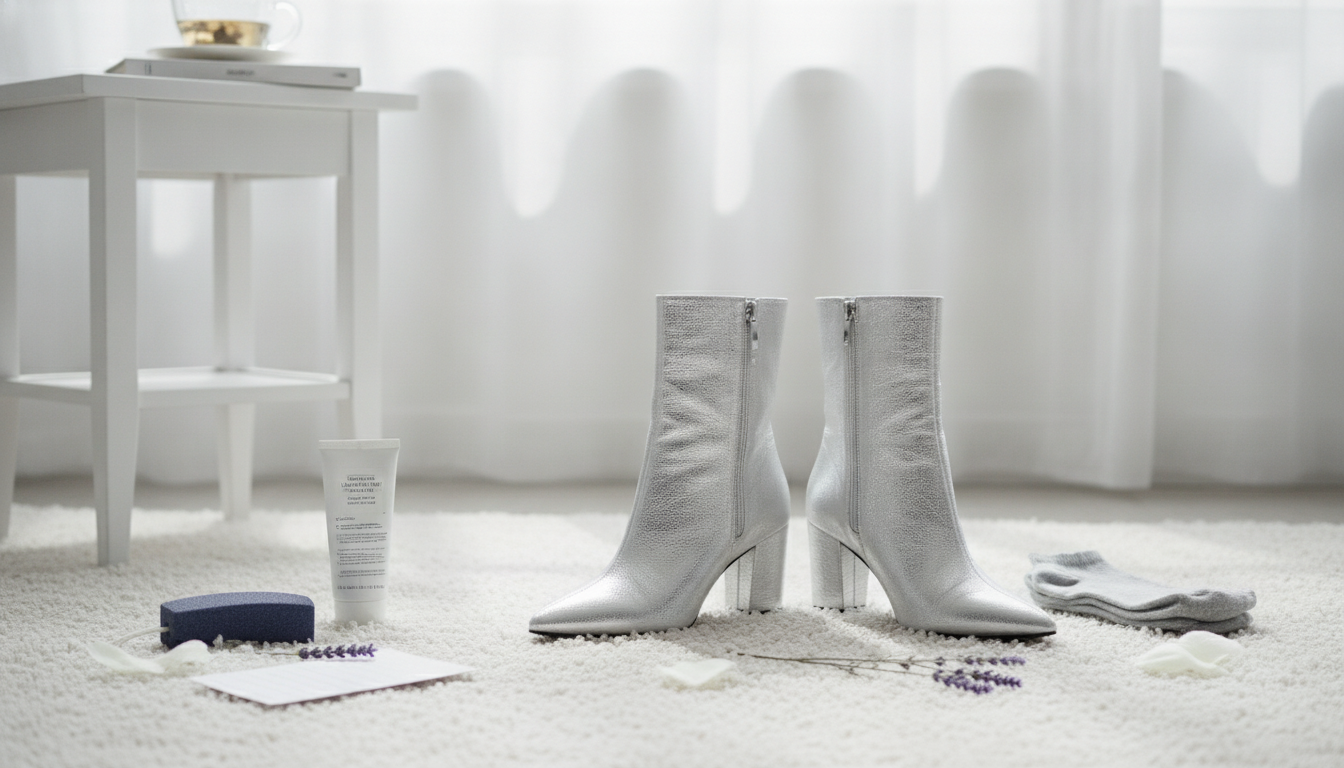
Smooth Heels Made Simple: A Fast, Practical Routine for Cracked-Heel Repair
Cracked heels usually come from dry, thickened skin plus pressure and friction. The quickest path to softer heels is a consistent routine: gently remove built-up skin, lock in moisture with the right occlusive, and protect healing skin so cracks can close instead of re-splitting. If you stick to a simple nightly “seal and protect” habit for one week, most people notice smoother texture and less tenderness—often sooner than expected.
Why heels crack (and why they keep coming back)
Heels take a unique beating: thick skin, constant pressure, and plenty of friction from walking. When moisture drops and callus builds, the skin loses flexibility and begins to split.
- Dry skin on the heel thickens into callus; as it builds, it becomes less flexible and more likely to split.
- Open-back shoes, barefoot walking, and standing for long periods increase pressure that widens small fissures into painful cracks.
- Cold weather, low humidity, hot showers, and harsh soaps strip moisture and worsen rough texture.
- Medical factors can contribute (eczema, psoriasis, diabetes, poor circulation); persistent or severe cracks need a clinician’s input.
For prevention and care basics, the American Academy of Dermatology Association offers a helpful overview of safe at-home steps and when to seek care.
Fast reset: the 15-minute heel repair session
When heels feel sandpapery or fissures start catching on socks, a short “reset session” can quickly make skin feel more comfortable—without overdoing it.
- Soften: soak feet 5–10 minutes in lukewarm water (skip very hot water, which can dry skin further).
- Smooth: use a pumice stone or foot file gently—aim to reduce roughness, not remove layers aggressively; stop if skin feels tender.
- Treat: apply a thick heel balm or ointment; look for urea, lactic acid, glycerin, petrolatum, ceramides, or dimethicone.
- Seal: cover with cotton socks for at least 30–60 minutes (overnight works best) to reduce evaporation.
- Protect (if needed): if a crack is painful or deep, cover with a hydrocolloid blister bandage or a liquid bandage (avoid if signs of infection).
Quick session checklist (single use)
| Step | Time | Goal | Notes |
|---|---|---|---|
| Soak (lukewarm) | 5–10 min | Soften thick skin | Keep it short; pat dry well |
| File/pumice gently | 1–3 min | Reduce rough edges | No razors; avoid bleeding |
| Apply heel treatment | 1 min | Rehydrate + soften | Urea/lactic acid for rough callus; petrolatum to seal |
| Sock/cover | 30–60 min+ | Lock in moisture | Overnight for fastest results |
The 7-day foot repair routine (simple, repeatable, realistic)
Think “small nightly deposits” of moisture and protection. The goal is not to sand your heels down; it’s to make the skin flexible enough to stop splitting, then keep it that way.
7-day routine at a glance
| Day | Night routine | Optional add-on | What to watch for |
|---|---|---|---|
| 1 | Ointment + socks | Hydrocolloid on painful fissures | Stinging or redness means back off filing |
| 2 | Ointment + socks | None | Cracks should feel less tight |
| 3 | Urea/lactic acid cream + socks | Light pumice after short soak | Avoid over-smoothing |
| 4 | Ointment + socks | None | Pain should continue decreasing |
| 5 | Urea/lactic acid cream + socks | Spot protect cracks | Check for reopening after long standing |
| 6 | Ointment + socks | Light pumice if needed | Skin should look less chalky |
| 7 | Preferred moisturizer + socks | Plan maintenance schedule | If no improvement, consider medical causes |
Printable checklist: turn heel care into a set-it-and-forget-it habit
If you want a ready-to-use tracker you can print and repeat weekly, Smooth Heels Made Simple: Printable Heel Care Checklist & Foot Repair Routine keeps the routine straightforward (especially during the first 7 days).
For keeping your heel-care items together on the go—socks, mini ointment, and bandages—a simple carryall helps reduce missed nights. The Lightweight Waterproof Down Tote Bag is an easy option for travel or gym days.
Printable heel care checklist (weekly)
| Habit | Mon | Tue | Wed | Thu | Fri | Sat | Sun |
|---|---|---|---|---|---|---|---|
| Night: apply heel treatment | ☐ | ☐ | ☐ | ☐ | ☐ | ☐ | ☐ |
| Night: wear socks after treatment | ☐ | ☐ | ☐ | ☐ | ☐ | ☐ | ☐ |
| Exfoliate (gentle) every other day | ☐ | ☐ | ☐ | ☐ | |||
| Protect painful cracks (bandage) | ☐ | ☐ | ☐ | ☐ | ☐ | ☐ | ☐ |
| Morning: light moisturizer | ☐ | ☐ | ☐ | ☐ | ☐ | ☐ | ☐ |
Common mistakes that slow healing
If dryness is actually coming from a fungal issue (often itching, peeling between toes, or persistent scaling), it may need targeted treatment; the NHS overview of athlete’s foot can help you spot common patterns.
When to get medical help
For higher-risk foot concerns, especially with diabetes, follow clinician guidance and consider the Mayo Clinic’s diabetes foot-care recommendations.
A ready-to-use routine and checklist
When you’re ready to make it automatic, use Smooth Heels Made Simple: Printable Heel Care Checklist & Foot Repair Routine as a weekly tracker—especially helpful when standing a lot, traveling, or switching seasons.
FAQ
How long does it take for cracked heels to heal?
Many people see noticeable improvement in 3–7 days with nightly moisturizing plus sock-sealing, but deep fissures can take longer. Healing slows when heels stay under pressure (barefoot/open-back shoes), when skin is dehydrated, or when eczema, psoriasis, or circulation issues are involved.
Should cracked heels be filed every day?
No—daily aggressive filing can irritate skin and keep cracks from closing. Aim for gentle exfoliation every other day (or 2–3 times per week) and focus on moisturizing and occlusion on the off days.
What is the best thing to put on a deep heel crack?
A thick petrolatum-based ointment helps seal in moisture, and a hydrocolloid bandage or liquid bandage can protect the fissure from re-splitting. Use urea or lactic-acid creams to soften surrounding callus (not on raw, open skin), and seek medical care if there are infection signs or if you’re high risk (such as diabetes or poor circulation).
















Leave a comment