Rolling Garment Rack: Adjustable Height + 3 Storage Tiers
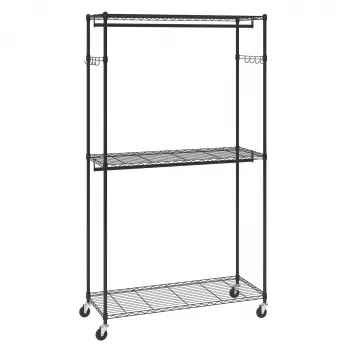
Adjustable Height Rolling Clothing Garment Rack with 3 Storage Tiers
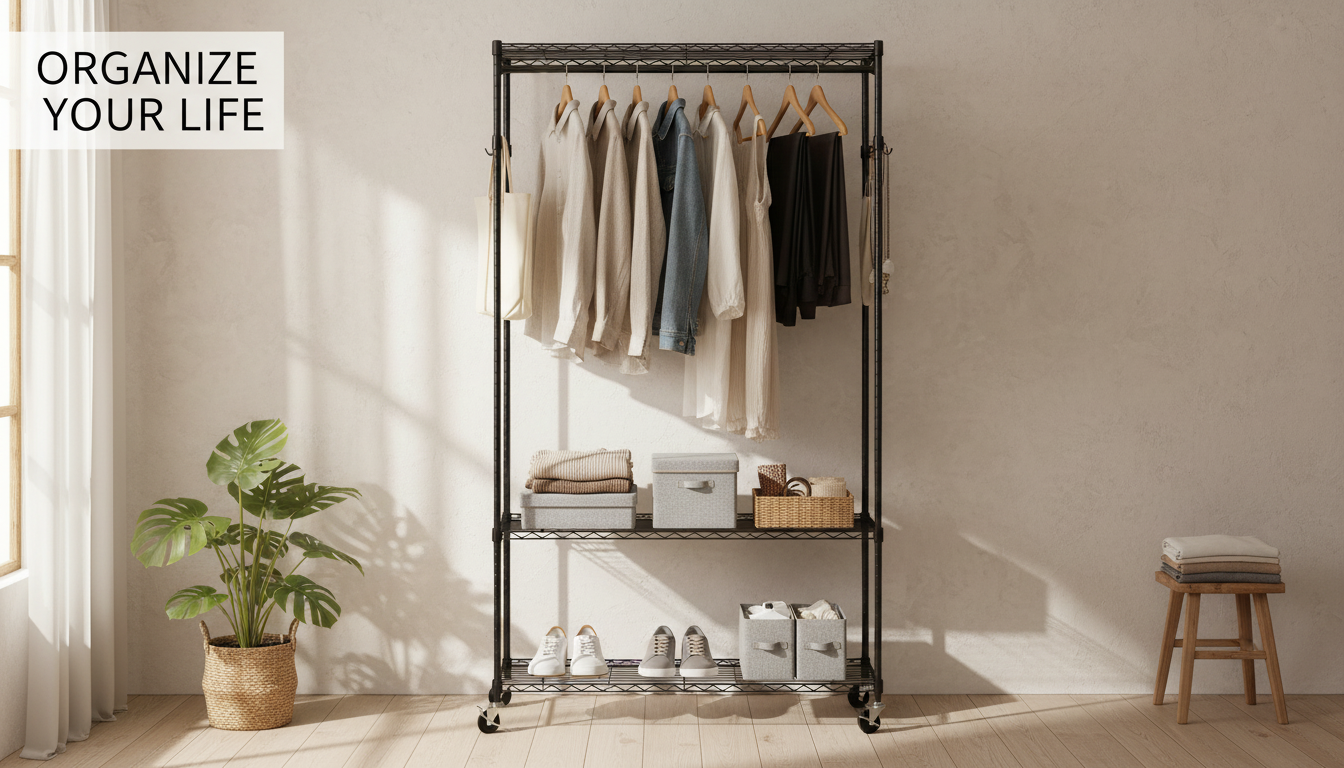
A rolling garment rack can turn an unused corner into a functional wardrobe—without drilling holes or committing to a bulky armoire. The Adjustable Height Rolling Clothing Garment Rack with 3 Storage Tiers adds flexible hanging space plus three open tiers for shoes, bins, bags, or folded items, making it useful for bedrooms, laundry rooms, entryways, and temporary setups like guest rooms or pop-up closets. It’s a practical option when closet space is tight, routines change week to week, or a “drop zone” needs to look more intentional. For more guidance, see Heavy Duty Rolling Garment Rack 3 Tiers Adjustable Clothes.
What this rack helps organize
- Everyday clothing: shirts, dresses, light jackets, and coordinated outfits for the week.
- Laundry workflow: a place to hang items to air-dry, steam, or fold.
- Entryway drop zone: coats and scarves up top, shoes and bags on the lower tiers.
- Seasonal rotation: keep current-season items accessible while storing off-season pieces elsewhere.
- Overflow storage: expand closet capacity during moves, renovations, or shared closets.
If you’re building a streamlined “grab-and-go” routine, pair the rack with a dedicated everyday carryall like the Lightweight Waterproof Down Tote Bag—easy to stash on a shelf tier or hook onto a hanger so it’s always ready near the door. For further reading, see LiaMeE Adjustable Clothing Rack for Hanging Clothes, Heavy Duty ….
Adjustable height for different garments
One of the most useful details on an adjustable rack is that it can behave like two different storage systems: a tall hanging zone for long pieces, or a compact bar for tops and sets. That flexibility helps keep clothes off the floor and prevents the “scrunched hem” problem that leads to wrinkles.
- Raise the hanging bar to accommodate longer pieces such as dresses or coats.
- Lower the bar for shirts and folded sets to reduce wasted vertical space.
- Fine-tune the height to keep hems from brushing shelves or the floor.
- Match the rack height to the room so it can tuck under shelves, window sills, or sloped ceilings.
For a neat look, choose a single hanger style across the bar. That keeps shoulders aligned and reduces snagging, especially when you’re pulling outfits quickly on busy mornings.
Rolling mobility and everyday stability
Mobility is the big difference between a rack that’s merely storage and a rack that supports real routines. Rolling the entire setup means you can dress where the light is best, steam without hauling clothes across the house, or move the rack aside when cleaning.
- Wheels make it easier to move a full rack between closet, bedroom, and laundry area.
- Reposition quickly for steaming, outfit planning, or cleaning floors.
- Keep heavier items lower when possible to reduce tipping risk.
- Balance the load by placing shoes or bins evenly across tiers from side to side.
On rugs or thresholds, rolling can take more effort—so it helps to steady the rack by holding the upright bar and moving slowly. A few small habits like these make day-to-day use feel smoother and more secure.
Three storage tiers: how to use them well
Open shelves are most effective when each level has a job. Instead of treating the tiers like a catch-all, assign them by category or by routine. That small shift keeps the rack from becoming visual clutter.
- Top tier: small bins for accessories, lint rollers, garment clips, and travel pouches.
- Middle tier: daily shoes, folded jeans, handbags, or a fabric bin for scarves.
- Bottom tier: heavier items like boots, storage boxes, or folded sweaters.
- Group by category (shoes/bags/folded) or by routine (work, gym, errands) to reduce clutter.
- Use matching bins to keep the open shelves looking calm and intentional.
A helpful rule: if something is used daily, keep it on the middle tier for the easiest reach. Reserve the bottom tier for items that are heavier or less frequently accessed.
Quick setup and smart placement ideas
Placement affects how often you’ll use the rack—and whether it stays tidy. Before assembling a full week of outfits, roll the rack into position and check clearance for doors, drawers, and walking paths.
For more organizing inspiration and layout ideas, these guides are useful references: Good Housekeeping – Closet Organization Ideas and The Spruce – How to Organize a Closet.
At-a-glance overview
Rack features and everyday benefits
| Feature | What it does | Best for |
|---|---|---|
| Adjustable height hanging bar | Adapts to garment length and room constraints | Dresses, coats, mixed wardrobes |
| Rolling design | Moves where it’s needed without unloading everything | Laundry day, steaming, cleaning floors |
| 3 storage tiers | Adds space for shoes, bins, and folded items | Entryways, small closets, dorm rooms |
| Open-shelf access | Keeps frequently used items visible and reachable | Daily shoes, bags, accessories |
Care, maintenance, and safe loading habits
Shop featured in-stock picks
- Adjustable Height Rolling Clothing Garment Rack with 3 Storage Tiers
- Lightweight Waterproof Down Tote Bag
FAQ
Will the adjustable height work for long dresses or coats?
Yes—raise the hanging bar to create more vertical clearance, then confirm hems don’t rest on the shelves or floor. For very long items, keep the lowest tier for shoes or low-profile bins to maximize hanging length.
Do the storage tiers hold shoes and bags without sagging?
The tiers are intended for everyday storage like shoes, handbags, and folded items. Spread heavier items across the shelf surface and use the bottom tier for the heaviest pieces to help keep the rack stable.
Is a rolling garment rack safe to use on carpet or rugs?
It can be used on carpet, but rolling may take more effort and thresholds can cause wobble. Keep the load balanced, roll slowly, and avoid overhanging heavy items on one side.










Leave a comment